
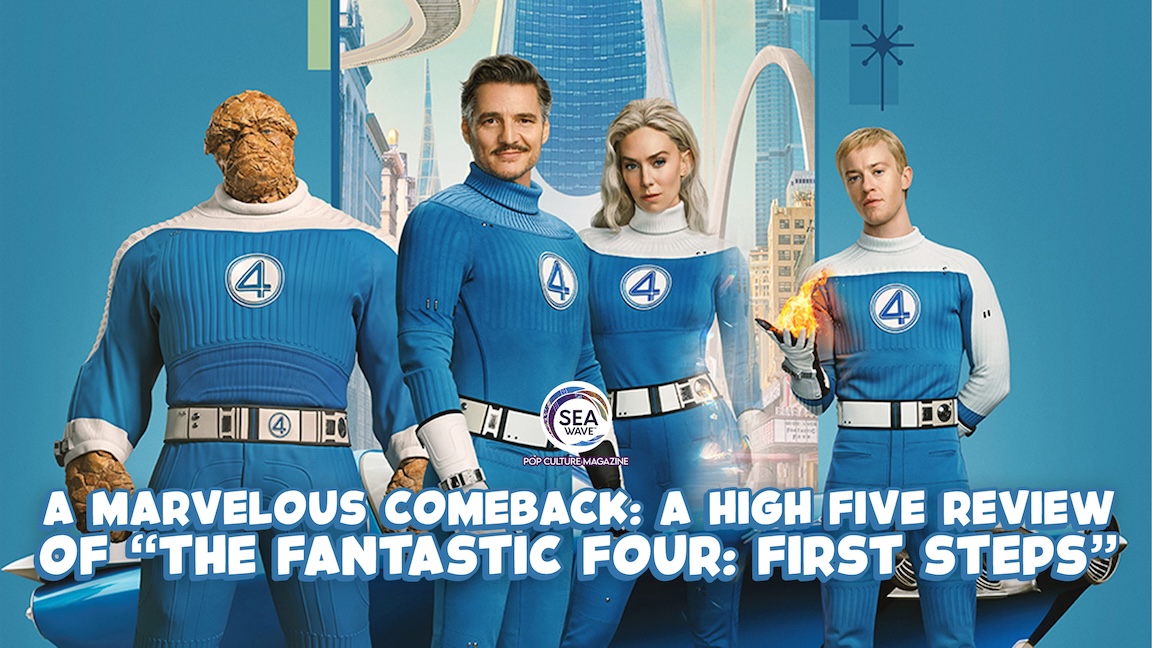
The moment the title card for The Fantastic Four: First Steps came into view, I felt a surge of giddiness I had not felt in a while. There have been a total of five live-action and four animated adaptations of Marvel’s “first family,” but this version is the one that I think captured the nuance of each members’ personality the best. That’s coming from someone who grew up watching the animated series. This adaptation felt like what fans have been waiting for.
Join us as we give you our High Five reasons why The Fantastic Four: First Steps was a marvelous comeback. Major spoilers ahead, so be warned!
Refreshingly Human Flaws
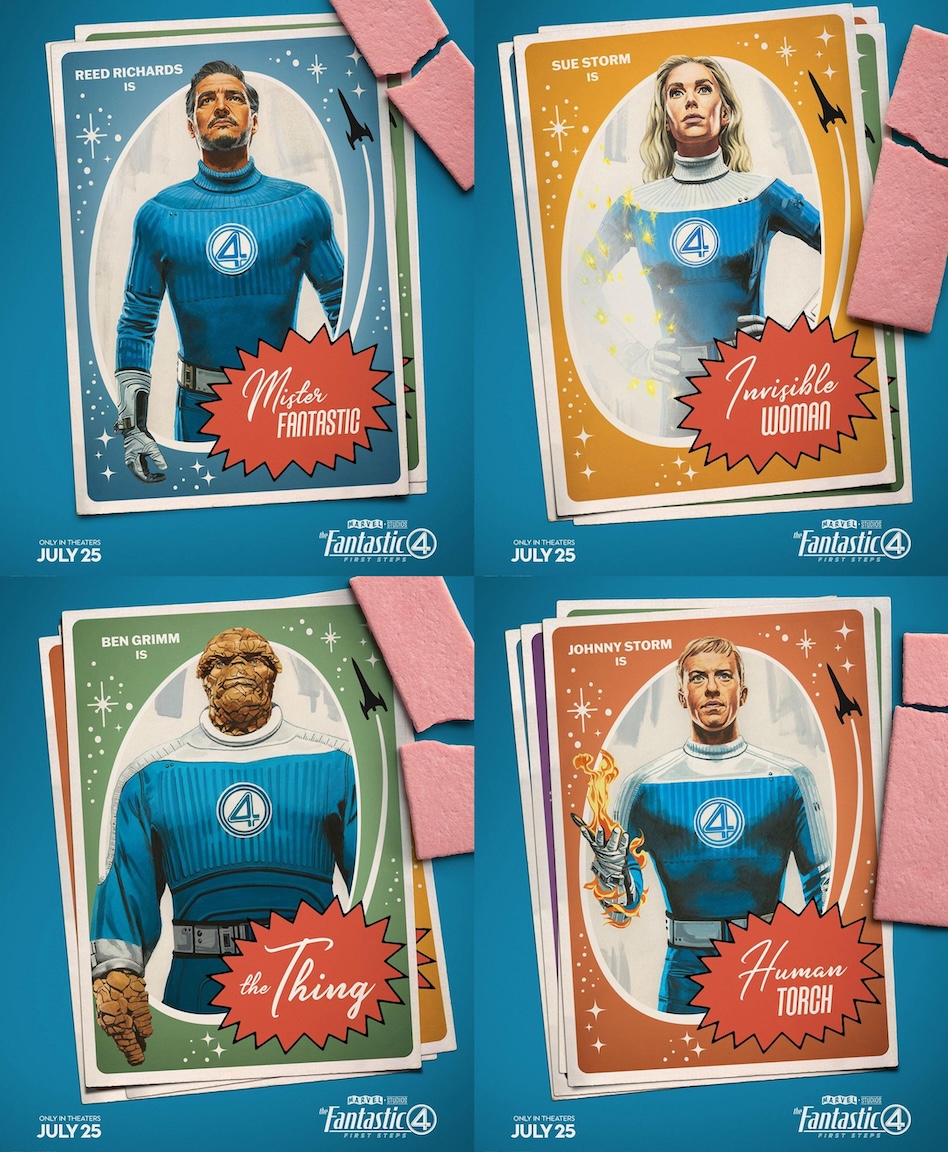
Fantastic Four Character Posters | Posters from Marvel Studios
We have to commend the cast for how they portrayed the members of the team. Pedro Pascal depicted the anxiety of Reed Richards, showcasing an understanding of his own quirks and flaws that he did not want his son to inherit. Vanessa Kirby as Sue Richards served as the group’s empath, while balancing it out with an assertive power that women in fiction did not have at the time the Fantastic Four debuted. Joseph Quinn gave Johnny Storm his trademark charm and brashness, though he added depth and humor to the character by being a hopeless romantic. Lastly, Ebon Moss-Bachrach gave Ben Grimm a refreshing level-headed performance while still going toe-to-toe with Johnny’s verbal jabs during their scenes together. Combine their believable performances with a well-written script and you get an engaging story showcasing the depths a family will go to save one of their own.
Facing Everything As A Family
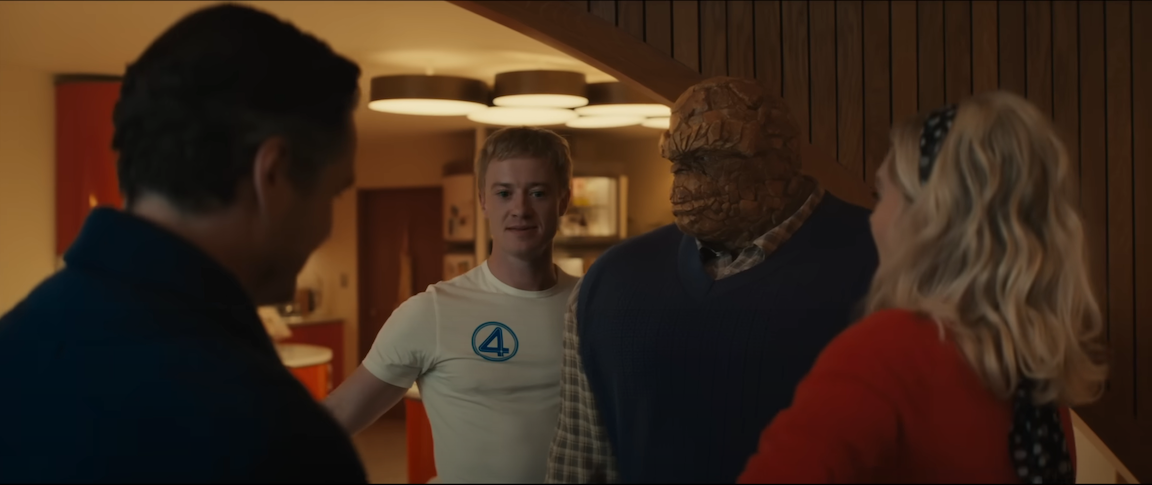
Fantastic Four having Sunday dinner | Still from Marvel Studios
Sue Richards put it best when she said “Family is about connecting to something bigger than yourself.” Every step of the way, the Fantastic Four chose to face things together. From getting hit by cosmic rays, to storming Galactus’ home, bracing through a mob, and fighting against something bigger than themselves—they all stuck together through thick and thin.
The film gave a balanced presentation of what a superhero family would look like that was faithful to the comics and animated series. I especially loved the Sunday dinner scene since it was one of the cutest and most heartfelt scenes in the film—they all just gelled well together to become the iconic heroes we know and love.
When Sue was in the bathroom and Reed was looking for an item he needed, it felt like a typical interaction between husband and wife. The dynamic was further cemented when Sue went out of the bathroom, found the item for Reed, and showed him her pregnancy test. The affection between the on-screen couple was undeniable. They have the husband and wife routine down pat, especially as expecting parents. The anxiety that the pregnancy brought, and how both Pascal and Kirby embodied that on screen as first-time parents gave the film a sense of authenticity. The parenting aspect definitely adds to the high stakes that they have to face as Earth’s protectors and Franklin’s parents.
Ben and Johnny were the comedic relief in this heavy superhero film. The moment the family comes back from bargaining with Galactus, the tone of the movie turns dire and stressful. We find out that Galactus is asking for Franklin in return for sparing the planet. Of course, the new parents would not allow that, nor would their uncles. Hence, the interactions between Johnny and Ben are a short reprieve from the pressure and tension the family was experiencing from carrying the weight of humanity’s survival.
Sue Storm is Mother of the Year
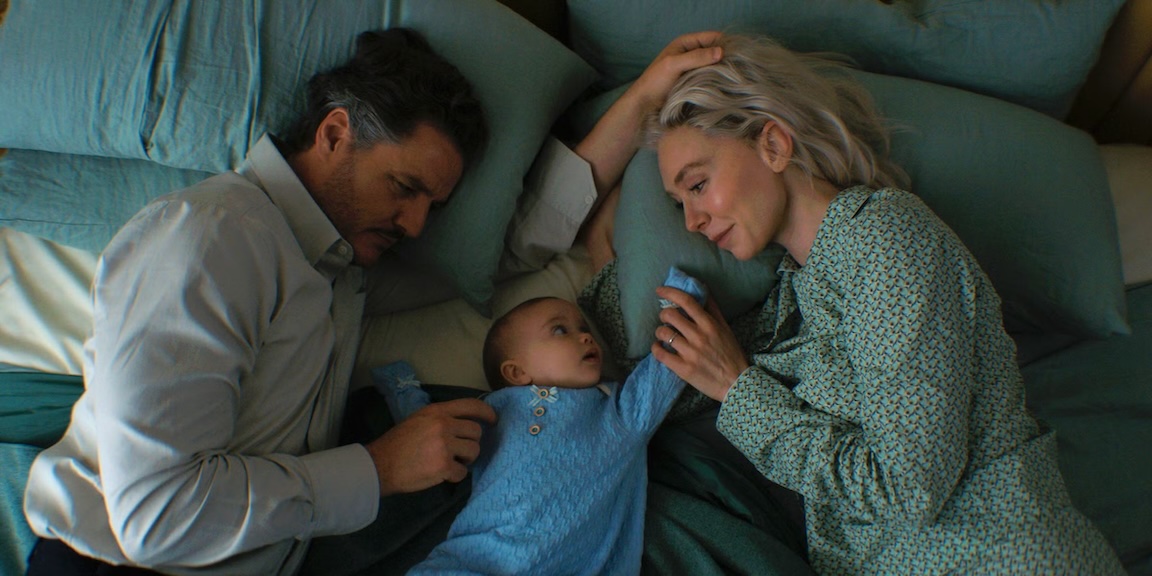
Fantastic Four’s Reed Richards, Sue Richards, and Franklin | Still from Marvel Studios copy
Sue is usually portrayed as a supporting character in Fantastic Four stories, but in this adaptation, she gets the spotlight. She was the diplomat out of all of them; she even talked to Mole Man, a well-known rival of the group and king of Subterranea, and convinced him to stop sinking the monuments of the surface world and to live in peace with the surface dwellers instead.
Sue Storm is the heart of the film. She epitomized a mother’s rage best seen during the space birthing scene, and when Reed implied that Franklin had to be the bait. She also has a fervent protective instinct, manifesting this with her ability to shield herself and others from harm. But she can use her powers for aggression as well, even going toe to toe with Galactus.
A Perfect Blend of Visuals and Music
When you watch the movie, there are two things you’ll notice right away: the music and visuals. First, the music emulates the urgency, heart, and depth of the film. Michael Giacchino composed the soundtrack and named each of them with punny titles that remind viewers of each scene. The best ones, or at least the tracks that stuck with me the most, were “Bowel Before Me,” “The Light Speed Of Your Life,” and the studio version of “Let Us Be Devoured.”
“Bowel Before Me” and “The Light Speed Of Your Life” play during Galactus’ appearances, increasing in intensity that it’s almost deafening, with a quickening tempo that makes you feel like your heart beating out of your chest as the group prepares to escape Galactus’ grasp. “Let Us be Devoured” is iconic as an end credits song because of the lyrics’ humorous point of view that being chosen as Galactus’ food would be an honor.
The retro-futuristic world of Earth 828 in the 1960s also added a lot to keep the world visually interesting. The color grading was tinged warmly, making their blue costumes pop. From the set to the costume designs, everything was curated to immerse the viewers in the type of world where it was normal to have flying cars and advanced technology during the ‘60s, all because of Earth’s smartest man, Reed Richards.
Even down to the film’s marketing, The Fantastic Four: First Steps reflected the look and sensibilities of vintage magazine covers, showing just how far the film goes to immerse viewers in this reality.
Post-Credit Scene Implications
Lastly, let’s talk about the end credits scenes. One definitely dooms the fate of the Fantastic Four while the other is a lighthearted homage.
The mid-credits scene takes place four years after the film, showing a hooded Dr. Doom hovering over Franklin Richards. Is it this universe’s Doom, or Robert Downey Jr.? Are they the same person? It’s a great scene because of the ambiguity and connection to Avengers Doomsday. In the comics, Doom becomes all-powerful and wipes out our heroes, and Franklin is part of the final stand against him. What does this entail for the larger Marvel Cinematic Universe at large?
The post-credits scene is an animation of the Fantastic Four’s exploits in animated form. A theme song plays in the background while scenes reminiscent of the 1967 animated series play on screen, including classic villains that were mentioned in the earlier part of the film like The Puppet Master, The Wizard, and more. This condenses what’s so fantastic about this team of heroes in a short love letter for the team.
The Fantastic Four: First Steps is a marvelous comeback for the family. Everyone from the filmmakers to the actors treated these heroes with the love that they deserved. The only qualm we have is that it ended too soon. We would’ve loved to see more of Reed’s intellect, more of Sue’s strength, more of Johnny and Ben’s banter, and definitely more scenes where all four adults take care of Franklin. Who knows, we may just get more in the upcoming phase of the MCU. SEA Wave gives this film 4 out of 5 waves.
Have you watched the film yet? What was your favorite part? Let us know in the comments!