
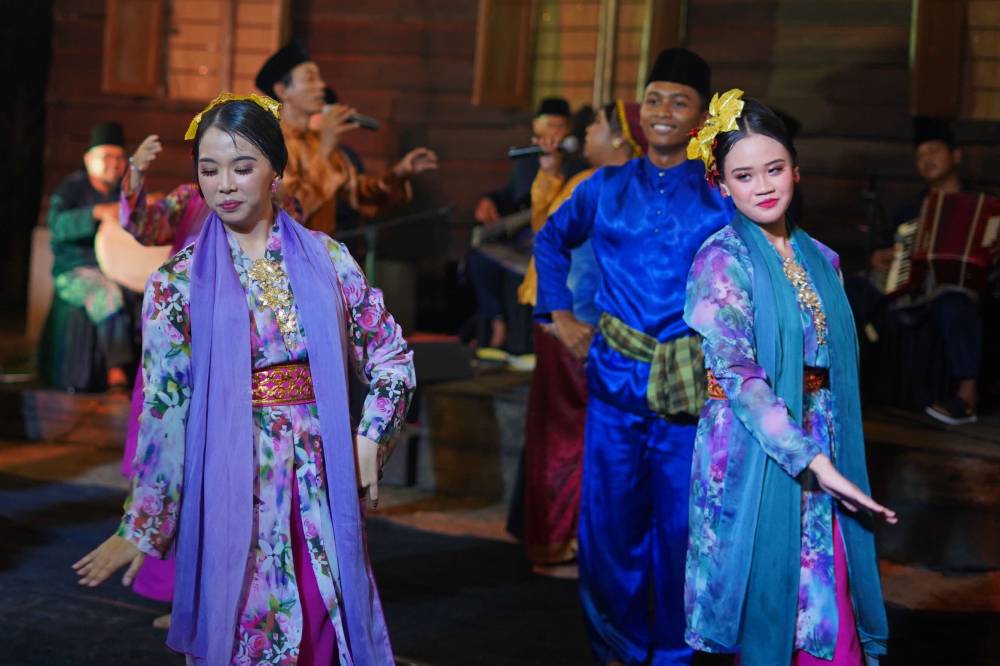
The United Nations Educational, Scientific and Cultural Organization (UNESCO) acknowledged the kebaya as an intangible cultural heritage (ICH) during its 19th ICH Committee session in Asuncion, Paraguay. The traditional garment is said to originate in Indonesia and is considered the country’s national attire. It also sees widespread usage in other Southeast Asian nations like Singapore, Malaysia, Brunei, and Thailand.
Inspired by the Arabic abaya, a garment worn by Muslim women primarily in the Middle East and parts of North Africa, the kebaya symbolizes beauty and strength because of its decorative grace, strongly influenced by Javanese philosophy.
“This is a craftsmanship that is difficult to find. One full Kebaya takes almost one year, stitch by stitch; it is a time-consuming job,” stated Pranee Sakulpipatana, Associate Professor, Historian, and Honorary Consul from Thailand.
The recognition of kebaya as an intangible cultural heritage reflects how it has evolved over time, and yet continues to be part of the daily lives of Southeast Asian nations and other people from around the globe, transcending ethnicity and borders.