

Mary Shelly’s Frankenstein has stood the test of time as a gothic classic and a pioneer of science fiction. Victor Frankenstein and his monster have been adapted numerous times across countless media. The exploration of the dichotomy between man and monster, nature and nurture—Guillermo Del Toro’s film adaptation stays true to these themes premise and dials it up to 11 with stylized visuals, unique design, and a hopeful conclusion.
Check out our High Five review of Guillermo Del Toro’s Frankenstein and find out how this adaptation shakes up. Minor spoilers ahead.
Spot On Casting

(L to R) Jacob Elordi as The Creature, Mia Goth as Elizabeth, Oscar Isaac as Victor Frankenstein, Christoph Waltz as Harlander and Felix Kammerer as William Frankenstein | Photo from Frank Ockenfels/Netflix
The cast is stacked, with Oscar Isaac leading the charge as Dr. Victor Frankenstein, alongside Jacob Elordi as the Creature. Both men depict their characters well, with nuanced expressions that showed the cruelty and gentleness of humanity, our potential to grow, and capacity to learn. Both actors fit their roles to a tee, bringing out the contrasts that Frankenstein is known for.

(L to R) Charles Dance, Felix Frammer, Christopher Waltz, and Lars Mikkelsen
The film also features Christoph Waltz (Heinrich Harlander), Charles Dance (Leopold), and Lars Mikkelsen (Captain Anderson) as morally gray, ambition-driven men. There’s also Felix Krammer, who played William, Victor’s brother, who had a more prominent role in the film compared to Mary Shelly’s book, where he was just a child.

Then we have Mia Goth, who portrayed Elizabeth’s eccentricity, rage, and delicateness well. In an interview with Collider, Mia Goth described Del Toro asking her to play the role of Elizabeth, then Claire, as a surreal moment. We appreciate that Del Toro gave Elizabeth a little more agency here, as she had more screen time, and we actually see both her and Victor spend time together despite the circumstances surrounding them.
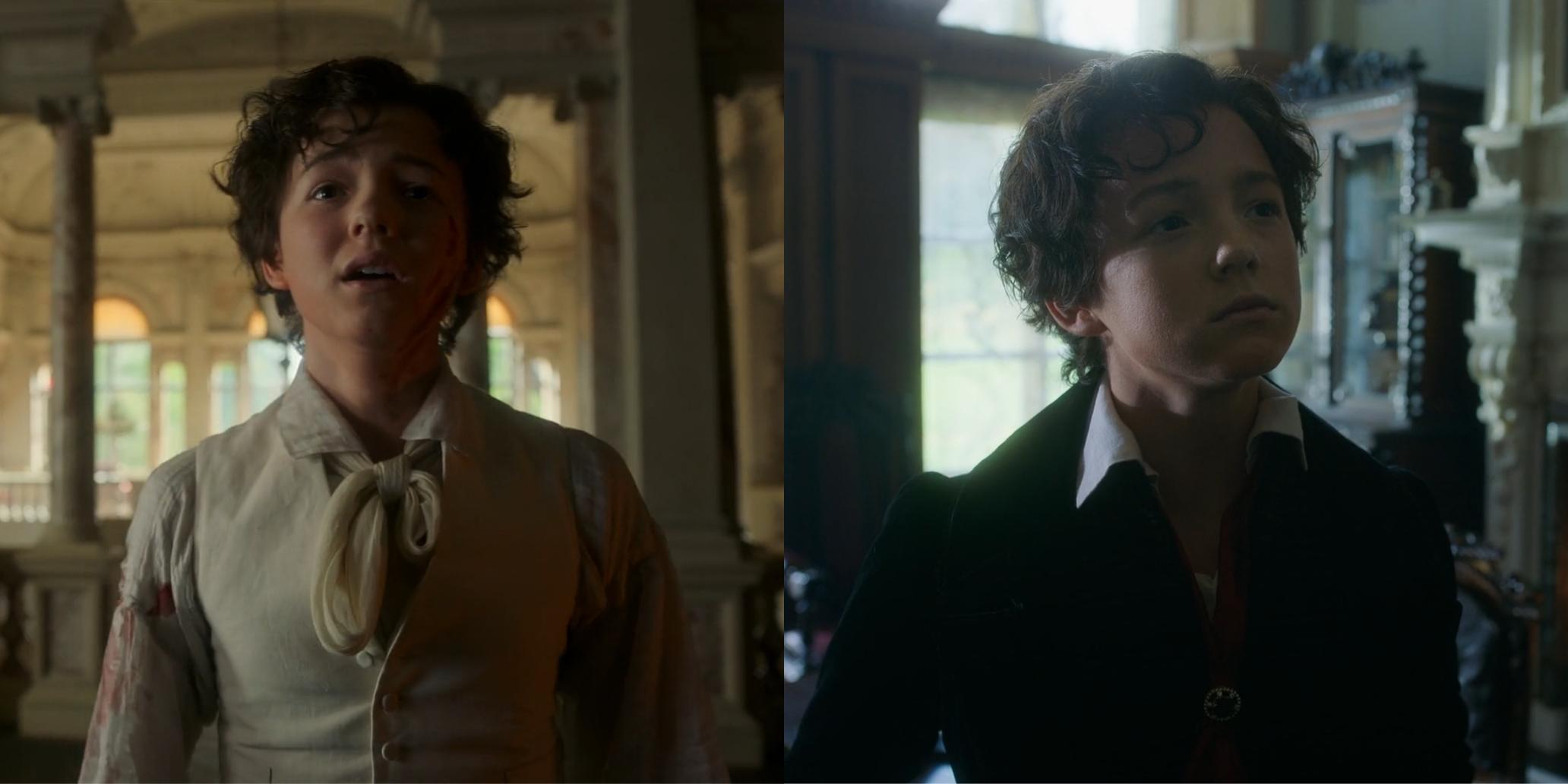
Christian Convery portrayed young Victor well, both as an innocent boy who could do no harm and as a wounded boy, suffering from grief, pressure, and anger. The performances round out the film and bring each character to life in this larger-than-life story.
Epitome of Gothic Core
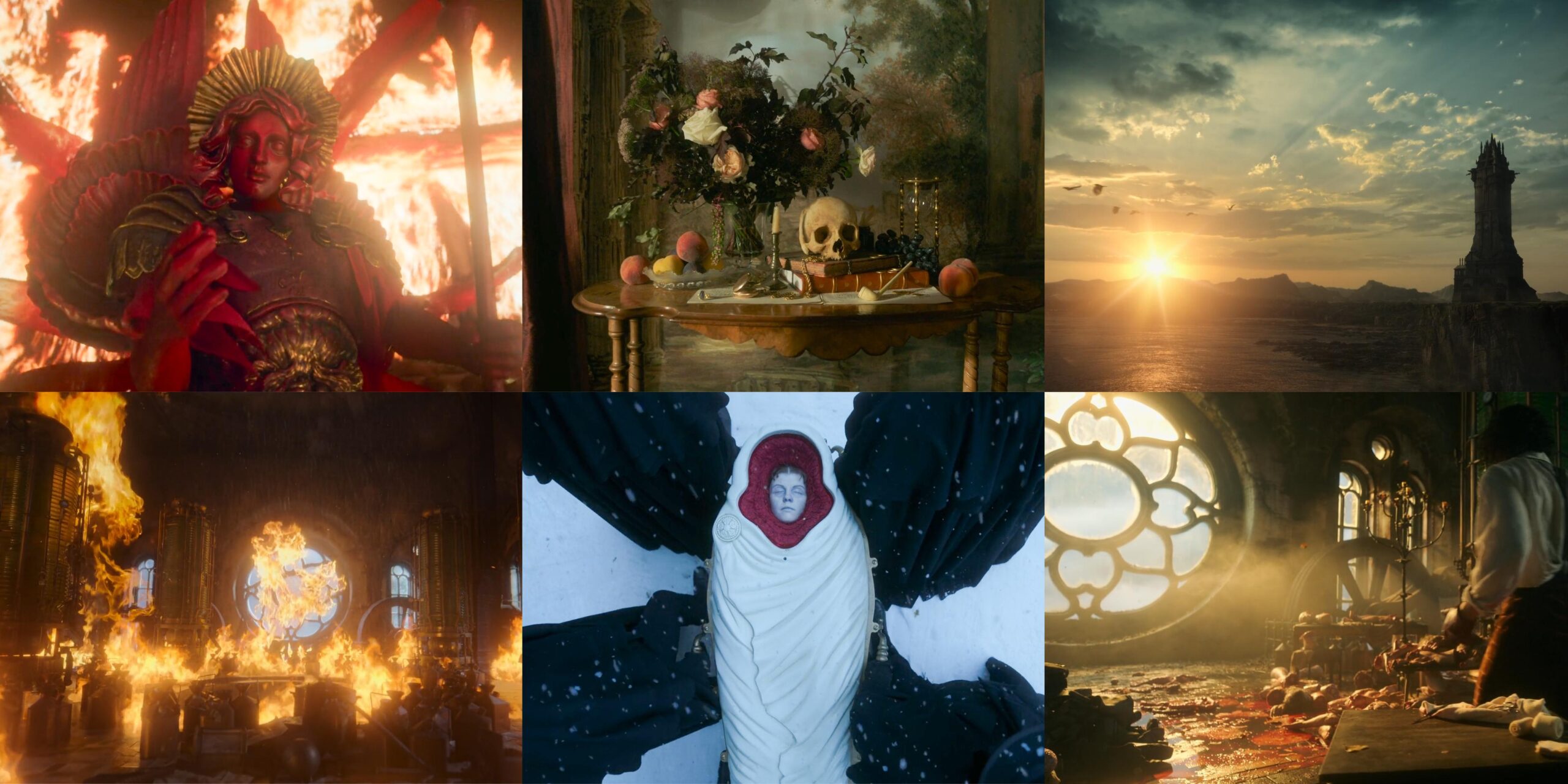
Mystery, horror, and the grotesque are just some words that one thinks of when it comes to Guillermo Del Toro’s works. Frankenstein shines as a piece of gothic horror with Del Toro in the helm, with the color, set design, and cinematography all working together to evoke feelings of dread in a visually attractive way. The film is set in the 1850s, but the striking visuals don’t feel out of left field despite their strong aesthetics. The use of dialogue, costume design, and practical set design definitely help date the era, with minor touches like the mention of the Evelyn Tables, and even a nod to the real-life mystery of the 1845 Franklin Expedition, that make it all feel real.
Another aspect contributing to the gothic core is the musical score by Alexandre Desplat, a previous collaborator of Del Toro in The Shape of Water and Pinocchio. The musical arrangement has a moody tone and uses operatic vocals accompanied by violin solos and reverberating drums that give off a sense of urgency and tragedy that is befitting Frankenstein’s story.
An Adaptation Taking Creative Liberties
Similar to Shelly’s novel, the film is divided into three sections with a Prelude, the Creator’s Story, and the Creature’s Story, playing out like a narrative polyphony—a story written from multiple independent voices and perspectives. We get both Victor’s and the Creature’s side portrayed to show the different aspects of the story.
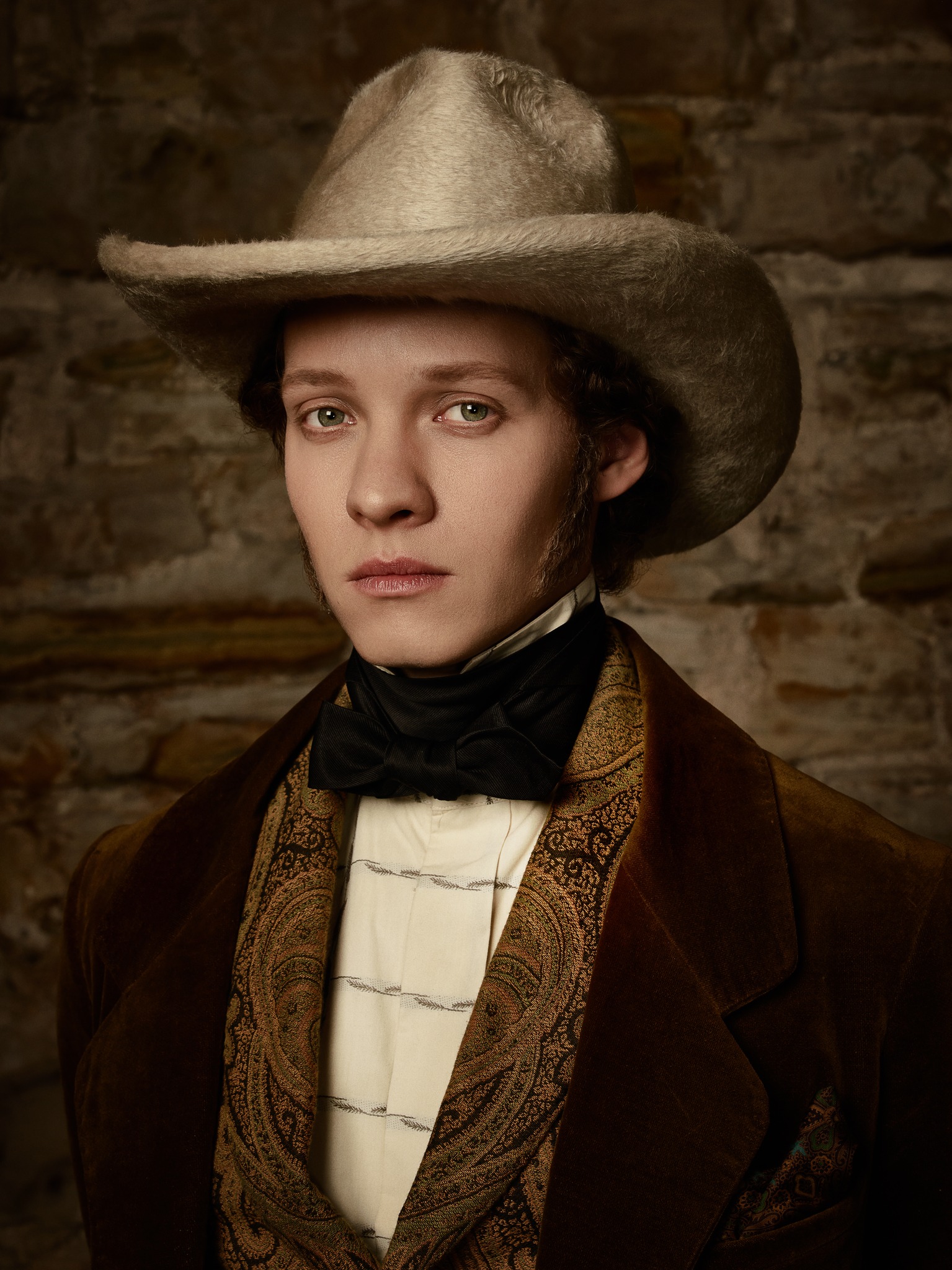
Felix Kammerer as William Frankenstein | Photo from Frank Ockenfels/Netflix
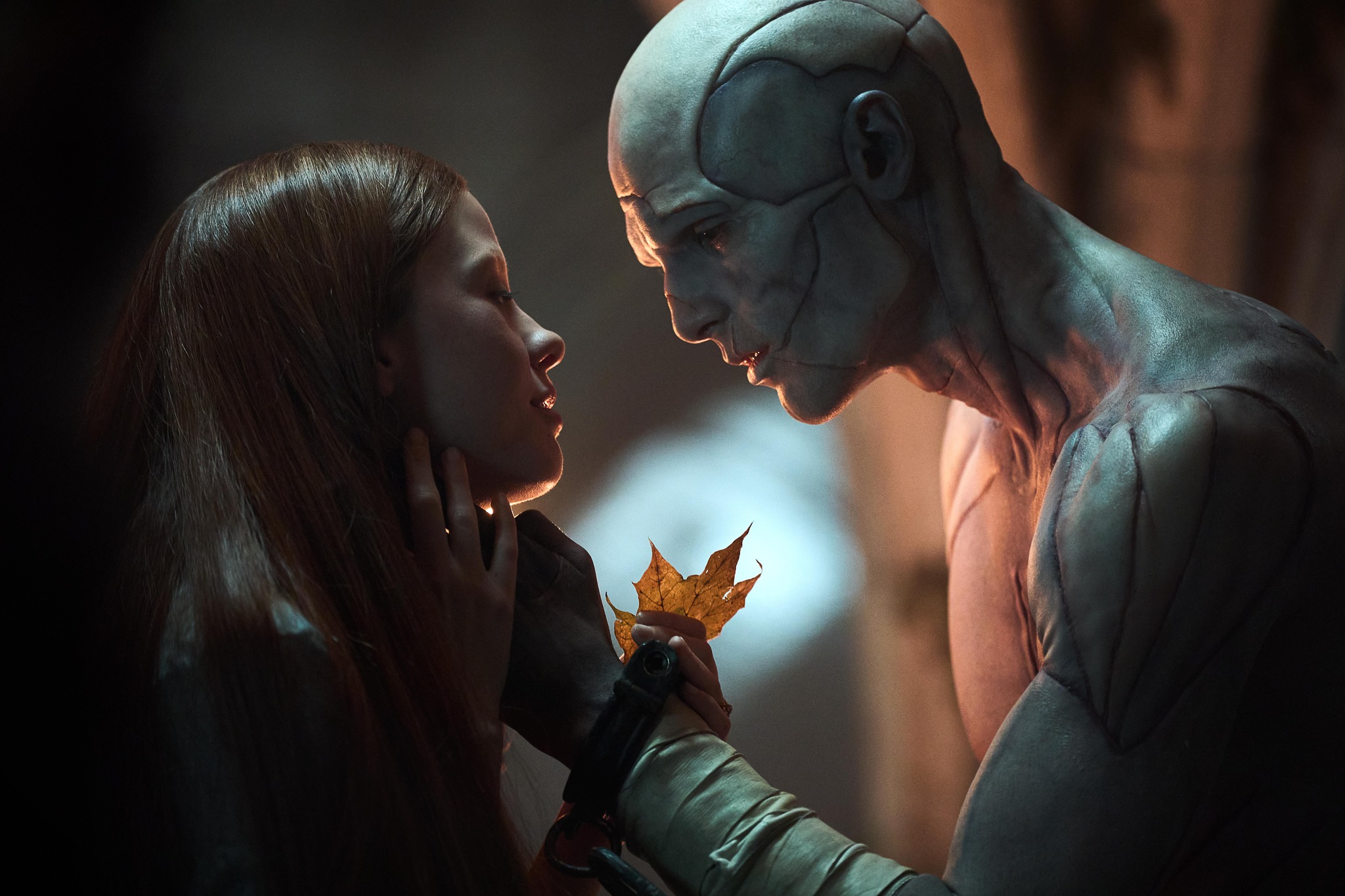
(L to R) Mia Goth as Elizabeth and Jacob Elordi as The Creature | Photo from Netflix

(L to R) Jacob Elordi as The Creature and Oscar Isaac as Victor Frankenstein | Photo from Ken Woroner/Netflix
Despite the similarity in structure, Del Toro took some liberties in retelling the story of Frankenstein. The characters’ relationships were the main thing that Del Toro explored more, like the aforementioned change to William’s age to keep him in the story, and how Elizabeth is drawn towards the Creature. The relationship between Victor and the Creature is that of a father and son, which gives Del Toro’s remake a refreshing look at the story. The creature itself subverted the usual depiction by starting off as a gentle giant before eventually succumbing to human cruelty.
We Are All Capable of Becoming Monsters
The film takes great care in exploring its themes of humanity and monstrosity, depicting generational trauma and the cycle it breeds. Del Toro emphasizes the importance of understanding who the monster is and how they became that way. The best way to explain it without too many spoilers is through Francis Galton’s theory of nature vs nurture. How did the creature get to be cruel? Why is Victor the way he is? The answer is a combination of both nature and nurture.
Both Victor and the Creature are “monsters” of the cycle’s making, but how they choose to end their relationship is the answer, at least, to living with the cards they were dealt with. By the end of the film, you’ll feel the heaviness of this cycle lift, leaving you with a strangely optimistic and freeing feeling.
SEA Wave gives Frankenstein 4 out of 5 waves.