

Did you know that 25% of the world’s fashion waste is incinerated, with 57% of it going to landfills? This contributes to pollution that destroys the atmosphere and causes climate change. With fast fashion on the rise, people crave the immediacy and instant gratification of ordering their clothes online and getting them delivered in a day or two. But to be truly fashion forward is to be mindful of the garments we wear and their effect on the environment.
Join us as we take a look at the Southeast Asian clothing brands that put sustainability first while not forgetting style.
Rubber Killer (Thailand)
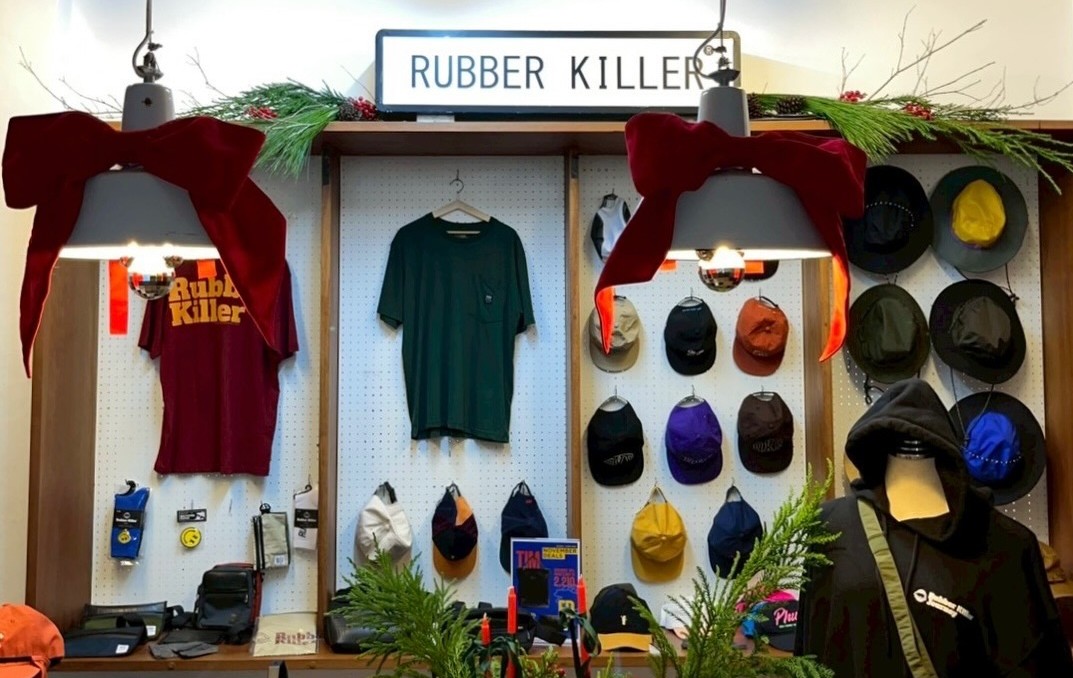
As the name suggests, this brand works with rubber, more specifically, inner tubing of car tires that they repurpose to create messenger bags, tote bags, backpacks, wallets, straps and ankle straps for cycling, and more. Rubber Killer also recently started to work with paper from banana pulp and fibre as they expanded their clothing line. Each product was created by local skilled workers, giving an opportunity for them to have a livelihood in the country. Also, a portion of the earnings fund student scholarships for underprivileged children in rural Thailand.
Sukkha Citta (Indonesia)

Indonesian clothing brand Sukkha Citta combines heritage and style with clothing items handmade by the mothers or ibus of the Tegal Kertha village in Denpasar, Indonesia. This brand is the only one on this list that has a Nest Seal of Ethical Handcraft from UNESCO, certifying their ethical practices incorporated into the company. They help the farmers continue to implement their indigenous farming knowledge, color their clothing with plant dyes, and upcycle the offcuts or leftover pieces during the clothing production, all the while helping women artisans create unique pieces of fashion that are sustainable throughout the whole process.
Commenhers (Singapore)
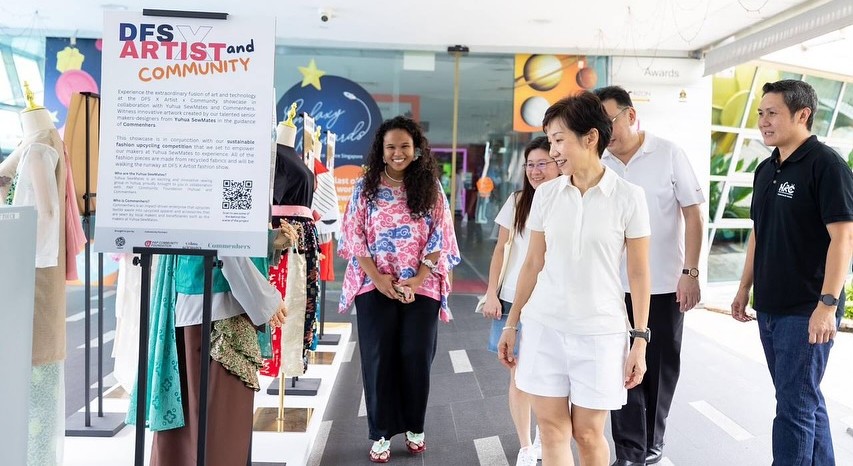
This Singaporean brand, like Sukkha Citta, helps the elderly, single mothers, and marginalized women with their livelihoods by giving them an avenue to design fashion pieces from upcycled materials. Commenhers also provides workshops to help educate people on fabric waste reduction and upcycling, while imparting fundamental sewing techniques for aspiring designers. They also offer B2B upcycling services like their collaboration with Decatahlon, Singapore Polytechnic, Gain City, and NUS College.
Chubby Phat Kisses (Brunei)

Of course, sustainability doesn’t only have to be for adult clothing. This brand is the only one on the list that provides sustainable products for babies. Chubby Phat Kisses was created from a traumatic experience by founder Jo San Ong. Her daughter had a febrile seizure, which she later found could be caused by a preventqble diaper rash. While staying in the hospital, the Acute Paediatric Unit suggested Jo to use a cloth diaper rather than a disposable one to help reduce the chances of rashes. From that experience, the brand was born, with the goal to give caregivers a sustainable alternative to diapers that are gentle to the skins of babies and children.
Saya (Laos)
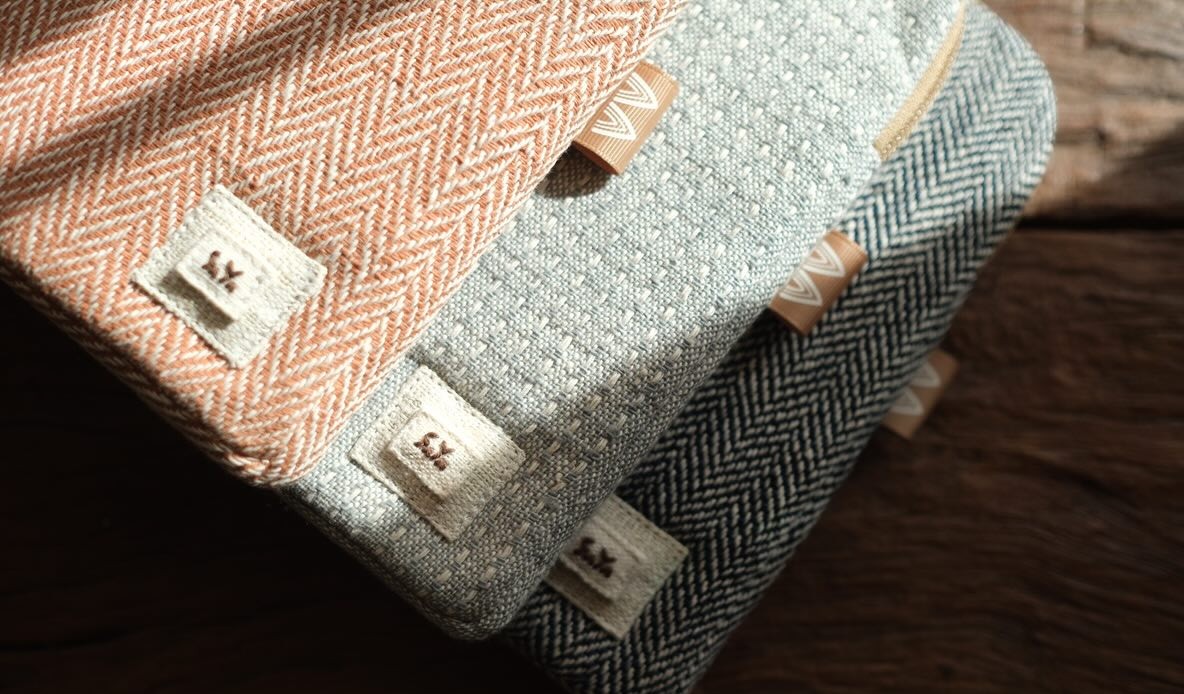
Laotian brand Saya takes its name from the Lao word “ ໄຊຍະ”, and is the root of many Lao words associated with prosperity. Rather than clothing, the brand started in 2018 by creating accessories and souvenirs with 100% natural cotton pieces. Their style deals with everyday garments and accompanying pieces like tote bags, wallets, scrunchies and more. Each of them were also woven from different parts of Laos from colocal communities, giving it that signature Lao feel.
Terrae (Malaysia)
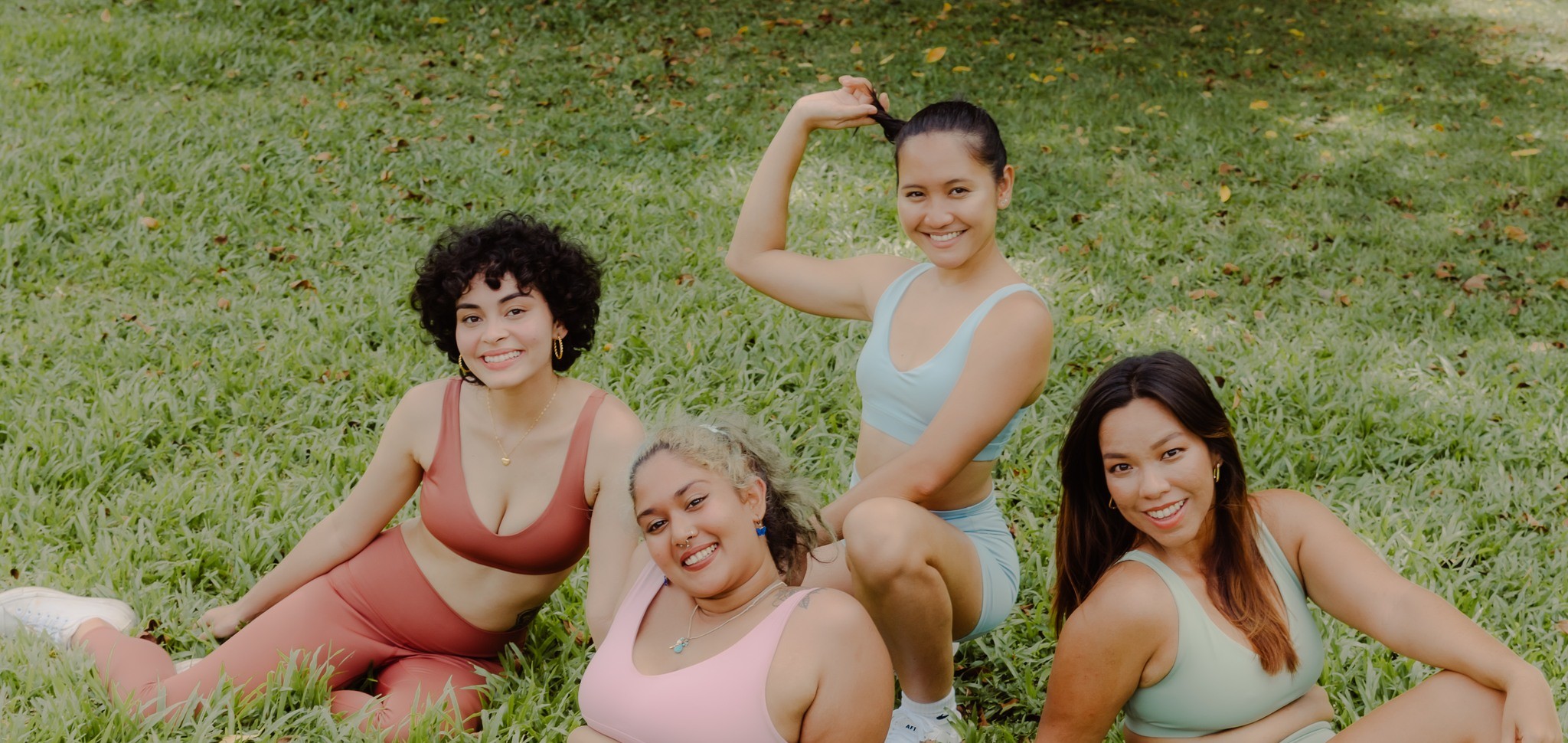
Terrae is a sustainable sportswear brand based in Malaysia. Their name is derived from the Latin word terra which means earth, and they reuse fabrics and fibers like Recycled Polyethylene Terephthalate from plastic products, ECONYL from discarded fishing nets, along with 100% GOTS, OEKO-TEX and OCS certified organic cotton, deadstock fabric leftover from textile mills and garment factories, and other scraps bound for the landfill, all to create tops, bottoms, and more for your female sportswear needs.
Happy Heart Fashion Design & Training Center by May Myat Waso (Myanmar)
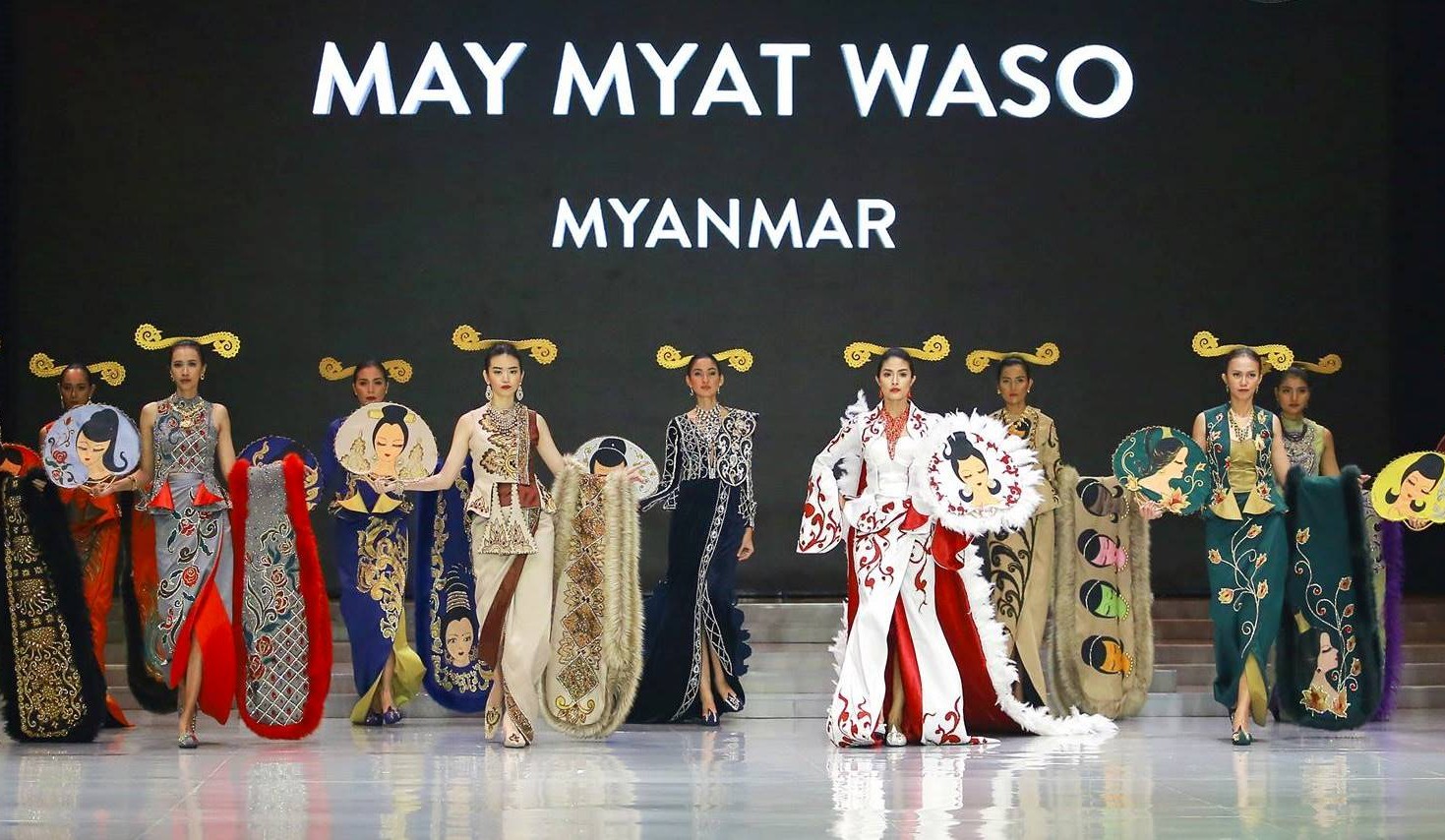
While not necessarily a brand, the Happy Heart Fashion Design & Training Center by May Myat Waso was founded in 2007. Waso is a popular fashion designer from Myanmar, best known for her traditional rincau or wavy leaf motifs that she incorporates into her pieces, creating tapestries on natural cotton and lotus cotton to create casual and traditional wear for Burmese ladies. Waso also teaches women the craft to help create opportunities for them through quality and sustainable fashion.
Metsiko (Vietnam)

Metsiko embodies slow fashion through working with local artisans that create pieces from premium, natural textiles. The designers work with locally sourced 100% mulberry silk, OTS-certified organic cotton from India, and have one tailor creating one-of-a-kind designs. The dyes of the fabric are done in Saigon (Ho Chi Minh City) and designed with Vietnamese landscapes and folk traditions that bring out Metiseko’s European-chic line.
ReMade in Cambodia (Cambodia)

Curbing textile waste while empoweringthe local youth is ReMade in Cambodia’s goal. This brand first started with a fashion show in 2022 and evolved into a non-profit organization founded by Alyssa Erin Kardos Loera and Nind Hou in 2023. The community now consists of 70+ artists creating fashion pieces to raise awareness about textile waste in Cambodia’s rivers. Each product by ReMade in Cambodia is sourced from carefully cleaned and repurposed textile waste and made by Khmer youth.
WEARy Studios (Philippines)
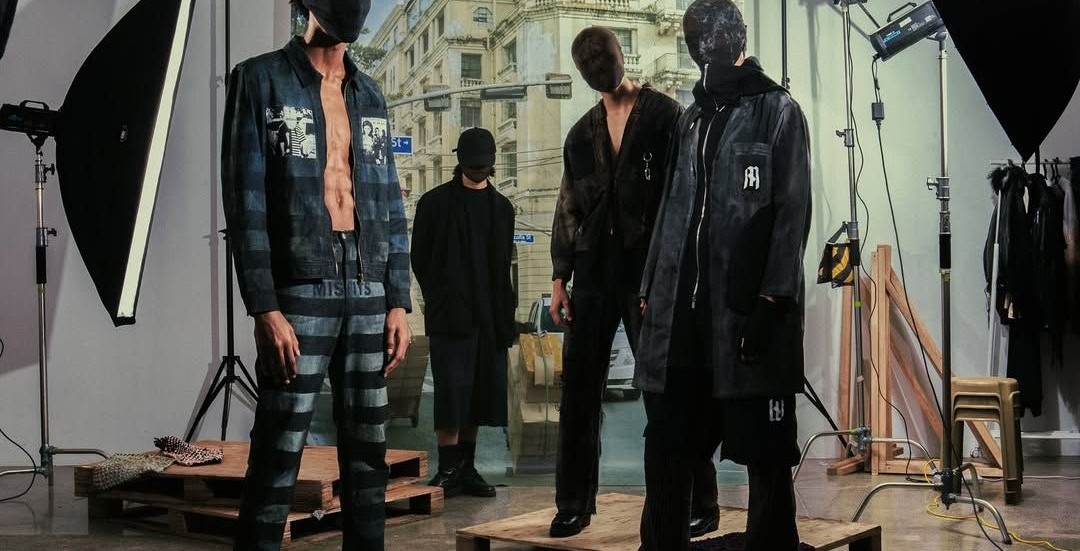
One of the Philippine brands that advocate for slow fashion, sustainability, and authentic self-expression is WEARy Studios. Created by Mark Tajao, the brand specializes in limited-run or one-of-a-kind pieces of grunge, streetwear. The materials used to the pieces are handpicked from thrift stores then transformed into the striking pieces seen today.
From baby needs to sportswear and everyday clothing, these Southeast Asian brands help local communities while generating awareness for their respective cultures and sustainable fashion. If you’re interested in learning more about sustainable fashion brands, then check out these brands and show them some love and support.
Are there other sustainable fashion brands that you’d like to recommend? Tell us in the comments!