

Unless you’ve been living under a rock, you’ve probably heard of the hockey show that has taken the world by storm. Since premiering last year, everyone has been talking about Heated Rivalry.
The series is an adaptation of a sports novel, following Canada’s Shane Hollander (Hudson Williams) and Russia’s Ilya Rozanov (Connor Storrie)—two professional hockey players whose fierce on-ice rivalry sparks a decade-long romance.
But how did a show with no big budget and no A-list names become such a massive hit around the world? We’ll break it all down in SEA Wave’s High Five Review of Heated Rivalry.
A Penny and a Dream

“Heated Rivalry” author Rachel Reid with series creator and director Jacob Tierney, alongside lead cast members Hudson Williams (Shane Hollander), Connor Storrie (Ilya Rozanov), and François Arnaud (Scott Hunter) | Photo from Crave Heated Rivalry
Long before the cameras started rolling, Heated Rivalry showrunner Jacob Tierney was already a devoted fan of the book. In an interview with Crave, he shared, “I wanted to honor it. I wanted to do right by it. I wanted to tell the story on TV that I loved so much when I read it.”
That passion became the foundation of the series, especially important given its financial constraints. Executive producer Brendan Brady revealed on a podcast that the show operated on just under 3 million Canadian dollars (about 2.2 million US dollars) per episode. That may seem like a lot, but for comparison, U.S. TV dramas typically cost between 4 to 10 million USD per episode.
Season 1 finished filming for all six episodes in just 36 days, primarily in Ontario, Canada, with Hamilton doubling as New York and Moscow. And yes, eagle-eyed viewers noticed moments when “New York” looked suspiciously like the good ol’ Land of the Maple Leaf.
Still, the limited budget didn’t limit the impact. The show’s smartest investment wasn’t spectacle—it was people. Tierney shared on Pivot that he embraced a collaborative approach, saying “It’s a rejection of the idea that everything has to come from one person.” That spirit of collaboration extended to Rachel Reid, author of Heated Rivalry, who praised the adaptation process in an interview with Matthew Francis saying, “I was respected throughout the entire thing. That is so rare and awesome for an author, because I don’t think that’s always the case when your work is adapted.”

Screengrabs from various entertainment outlets
The result is a series powered not by excess, but by shared vision and a team determined to make something special.
The streaming numbers, the fan edits and clamor, and the way even A-list celebs praised it: Heated Rivalry made it big time, proving that sometimes all you really need is a penny and a dream.
A Two-for-One Special
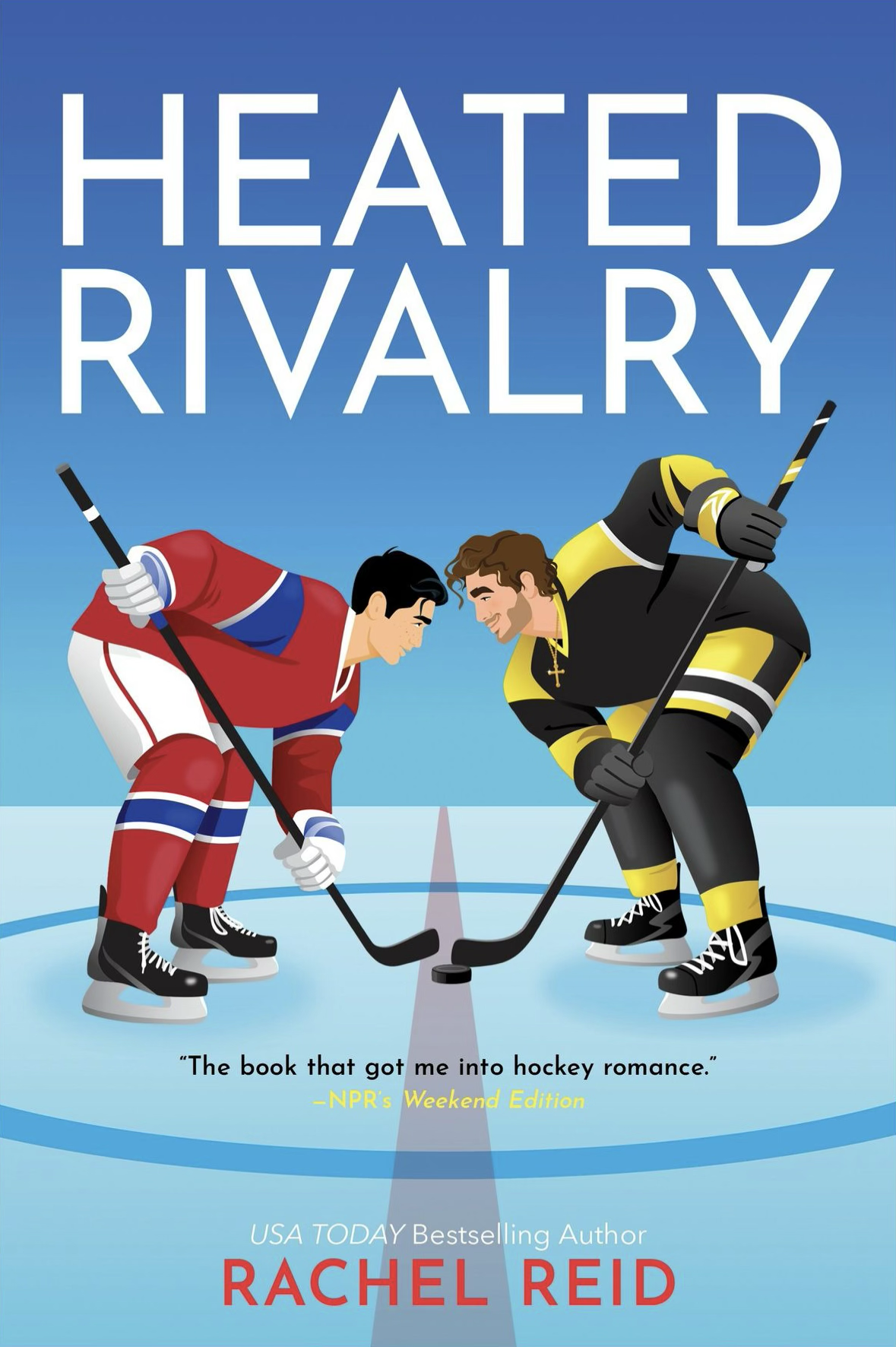


Heated Rivalry is based on the second book in the Game Changers series by Canadian author Rachel Reid, but the TV adaptation doesn’t just cover Shane Hollander and Ilya Rozanov’s Heated Rivalry—it also incorporates the story from the first book, Game Changer, which follows Scott Hunter and Kip Grady. In other words, season 1 tackles two books in one season.
This approach gave the series more room to explore Ilya and Shane’s story without compressing it. However, including the Game Changer storyline came at a cost: much of Scott and Kip’s story was condensed. What could have been a rich, multi-episode romance was reduced to a single episode, cutting many scenes and subplots that gave depth to their book. While ambitious, this dual adaptation left some of the original material feeling lost in translation.
But for those who have read both books, it’s clear why these stories were told together. The storylines intersect naturally, forming one grand love story that has captured audiences worldwide.
With season 2 officially in the works, fans can look forward to seeing more of Shane and Ilya’s relationship, and more of Scott and Kip’s romance—hopefully making up for the parts that were cut from their story (IYKYK).
More Than Just the Heat
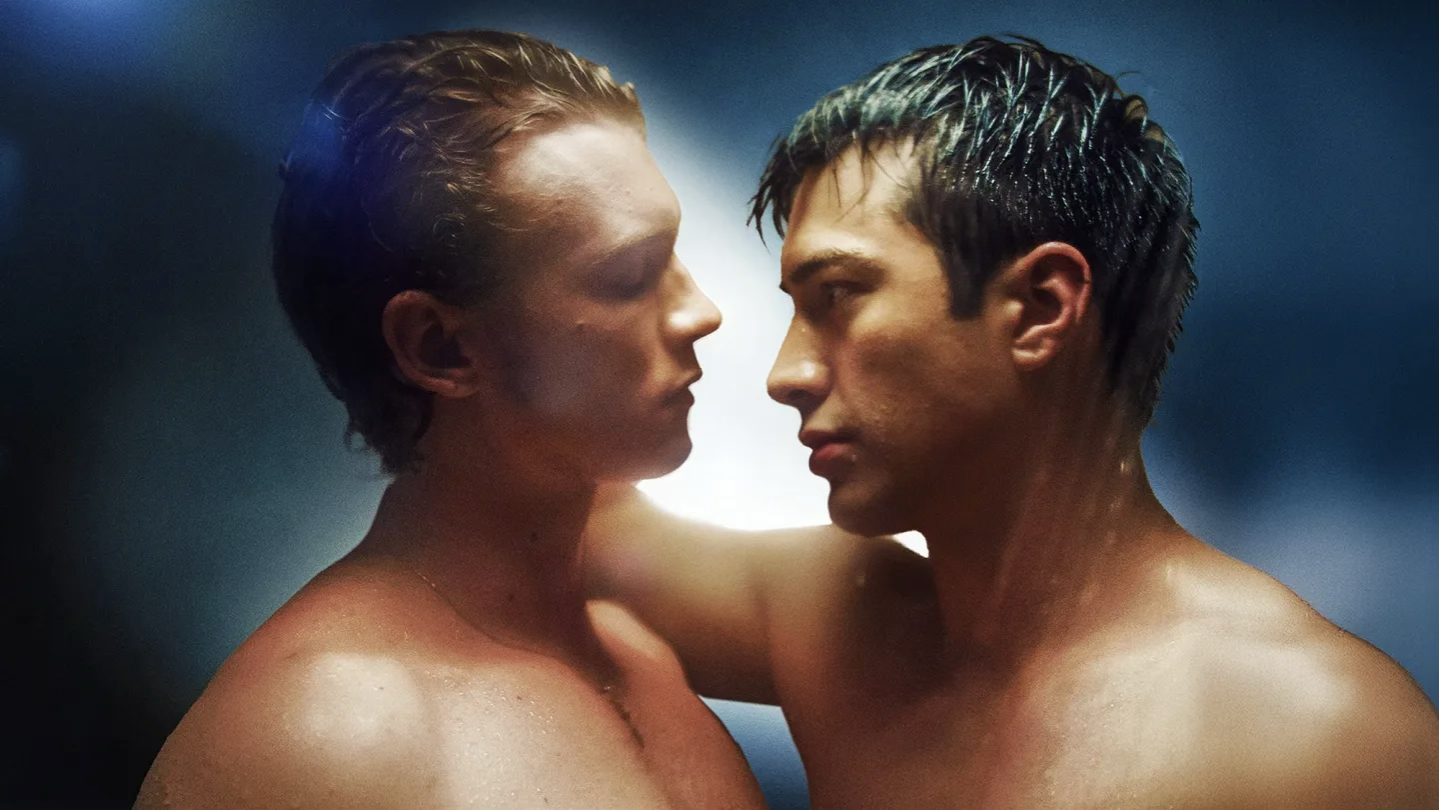
Photo from HBO Max, The Sporting Press
A lot of the buzz around Heated Rivalry comes from its intimate, sizzling moments, which spread like wildfire on social media and drew in a flock of viewers. But while the heat brought in crowds, they stayed for something deeper—a story with real heart.
The show explores a high-stakes romance: identities that must remain hidden, feelings that must be suppressed, and struggles that many viewers can relate to. The characters are written and portrayed with such vulnerability that you connect with them in ways few shows manage. They’re allowed to grow, their individual arcs deepening as lust gives way to love. By the season’s end, you’re not just watching them—you’re fully invested.
That said, hockey remains at the core of the story, and the sport heavily drives the plot. If you’re not well-versed in the game like I am, that aspect might feel a bit overwhelming. On top of that, the series spans a full decade in Shane and Ilya’s lives, from 2008 to 2018, which means frequent time jumps that sometimes occur every few minutes.
These aren’t drawbacks—they’re part of the series’ structure. Even with hockey-heavy sequences and rapid shifts in time, the show’s heat and heart keep you locked in every episode.
The Pulse of the Series

Ilya and Shane sitting on the beach together in Episode 5 | Still from HBO Max
Heated Rivalry didn’t need big names—it needed Hudson Williams and Connor Storrie. As the leads, they didn’t just play their characters; they became them. Williams embodies Shane’s restrained, guarded nature, while Storrie delivers a strikingly transformed screen presence as Ilya. There are no traces of their off-screen personas—only searing chemistry and emotional honesty.
Bringing these characters from page to screen demanded real commitment, from mastering hockey fundamentals to studying a new language. The preparation was rigorous, and the payoff is undeniable.
Storrie trained extensively with a dialect coach, undergoing intensive daily language work that fuels a genuinely transformative performance. That commitment peaks in episode five, where he delivers a powerful Russian monologue—flawless, raw, and soul-piercing.
Supporting duo François Arnaud and Robbie G.K. make the most of their limited screen time as Scott Hunter and Kip Grady, crafting a secondary romance that quickly pulls viewers in and leads to one of the season’s most talked-about and pivotal moments.
A True Gamechanger

From waiting tables to the hottest stars of today—Connor Storrie and Hudson Williams are now Olympic torchbearers | Photo from Fondazione Milano Cortina 2026
Queer representation in media is no longer rare, but Heated Rivalry felt different—bolder, louder, impossible to ignore.
It turned Connor Storrie and Hudson Williams into global names almost overnight, their rise culminating in a surreal full-circle moment as torchbearers at the 2026 Milan Winter Olympics. But the show’s real impact wasn’t just in headlines or public appearances—it was in what it gave its audience.
For queer viewers, it offered reflection and visibility, not caricature or subtext. It draws from the history of their struggle but resists the familiar pattern of trauma-driven storytelling and inevitable heartbreak.
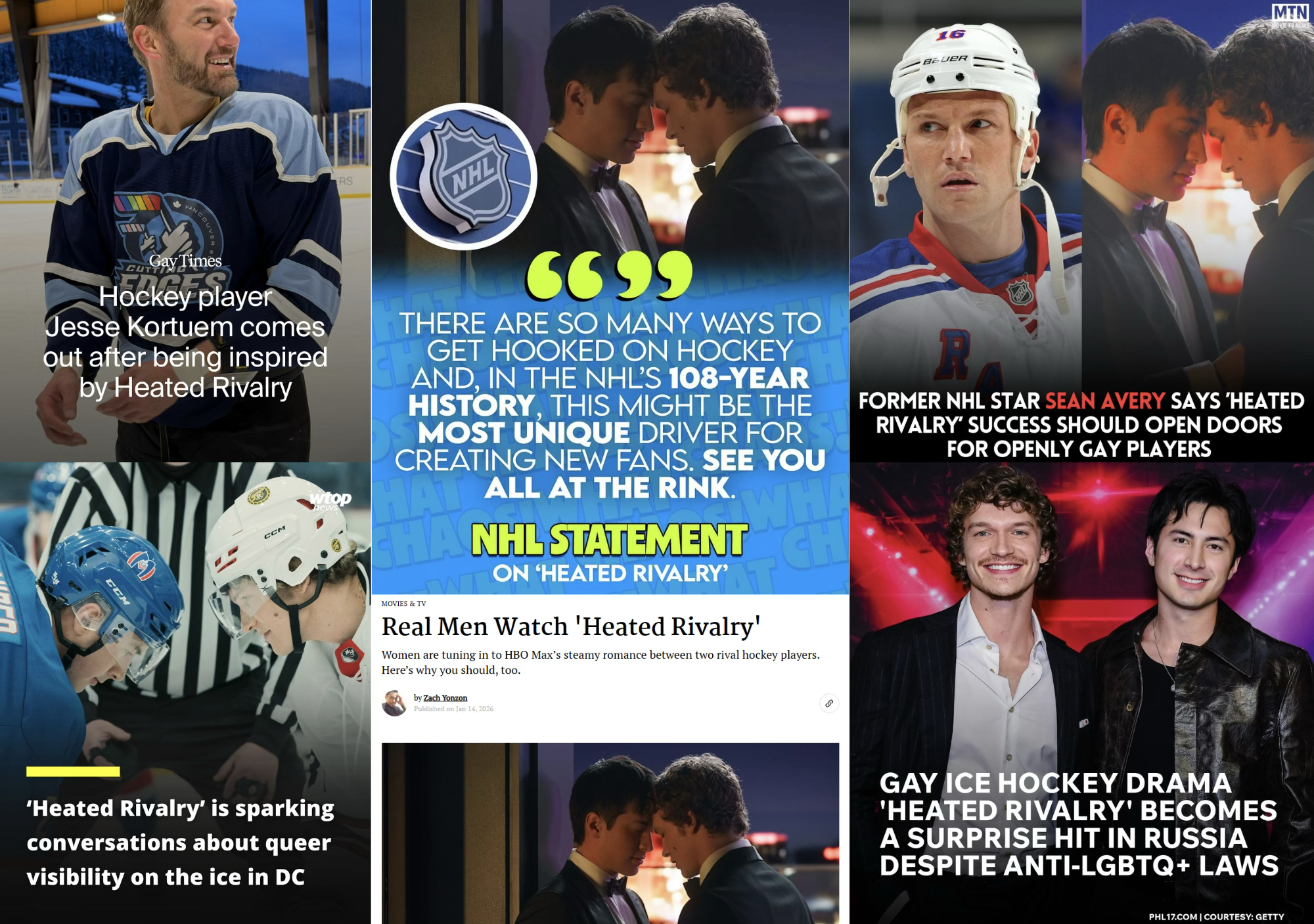
Some of the headlines made by “Heated Rivalry” since its November 2025 premiere
The series didn’t just break viewing records for HBO Max and Crave, it shattered assumptions. It even drew new fans to hockey, sparking conversations and encouraging athletes and public figures to speak their truths. And while it resonated deeply with women and LGBTQIA+ audiences, it didn’t stop there. Straight men tuned in and embraced the series as well.
All of this came from a show that refused to shrink itself to fit expectations—a resilience that mirrors the community it represents. Heated Rivalry is more than television. It shifts culture. It creates space. And it proves that stories like this were never niche—they were simply waiting to be told.
It is a series truly worthy of the Game Changers name—a genuine gamechanger in its own right.
For its first season, SEA Wave awards Heated Rivalry 4 out of 5 waves.