
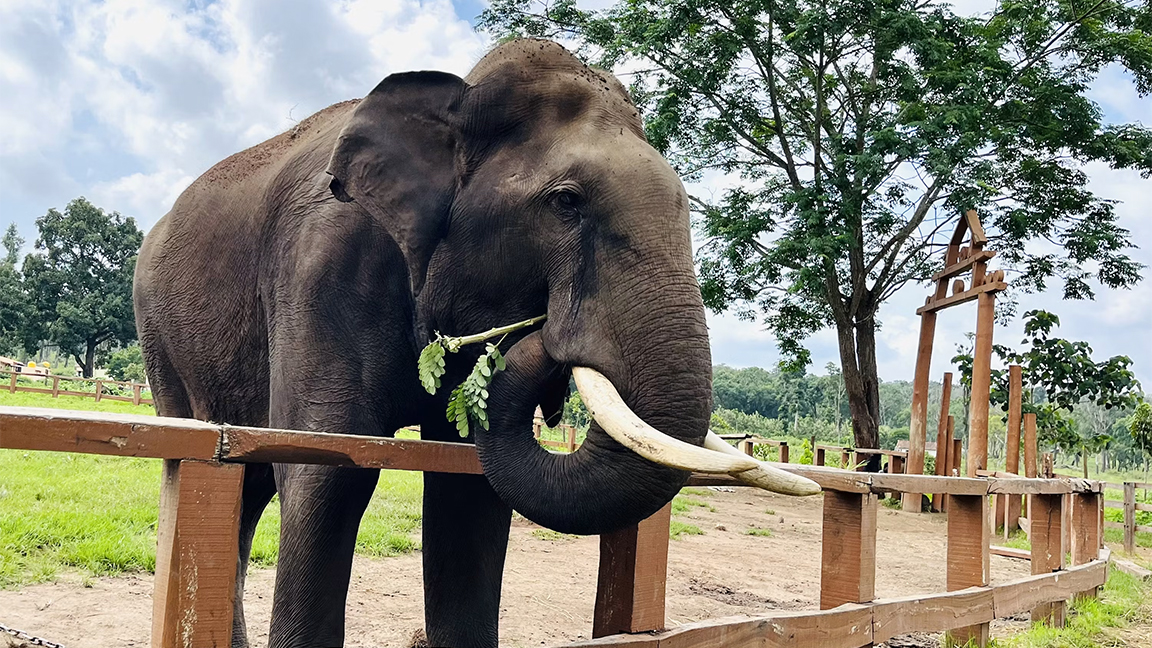
In case you missed it, Indonesia officially banned elephant riding and forced performances this year!
In countries like Thailand, Indonesia, Nepal, and Cambodia, elephant riding has been a popular tourist activity in zoos, parks, and sanctuaries. Visitors can feed, bathe, and ride the elephants. Some places also offer elephant shows where the animals dance to music, paint colorful portraits, or even balance themselves on platforms.
However, as these activities continue to attract tourists, organizations dedicated to animal welfare and safety have begun speaking out about the abuse elephants often endure behind the scenes. One of the main concerns is that the spine of the elephants are not built to carry the weight of humans and repeated rides can lead to chronic pain, spinal injuries, and long-term physical damage.
Global animal organization, People for the Ethical Treatment of Animals (PETA) stated that any activities such as elephant riding, and performances in circuses, tourist attractions, and parades are harmful to both the elephants and people. These practices may pose risks to humans, as elephants are subjected to stress, fear, and harsh treatment that may become unpredictable and potentially dangerous during rides and performances.
In December 2025, the Ministry of Forestry’s Directorate General of Natural Resources and Ecosystem Conservation of Indonesia issued Circular Letter No. 6 of 2025, officially calling for a nationwide ban on elephant rides. This led to the swift implementation of the policy, prompting conservations and tourist attractions across the country to end elephant riding operations in early 2026. With this move, Indonesia became the first country in Asia to launch a nationwide campaign focused on protecting the welfare of elephants.
With the newly implemented policy, elephants are no longer placed in abusive and exploitative conditions. Zoos, parks, and sanctuaries are now required to follow stricter ethical laws for elephant welfare and conservation. Today, elephants are given more freedom to roam in natural environments, allowing them to socialize with other elephants and exhibit their natural behaviors while continuing to be cared for, monitored, and protected.