
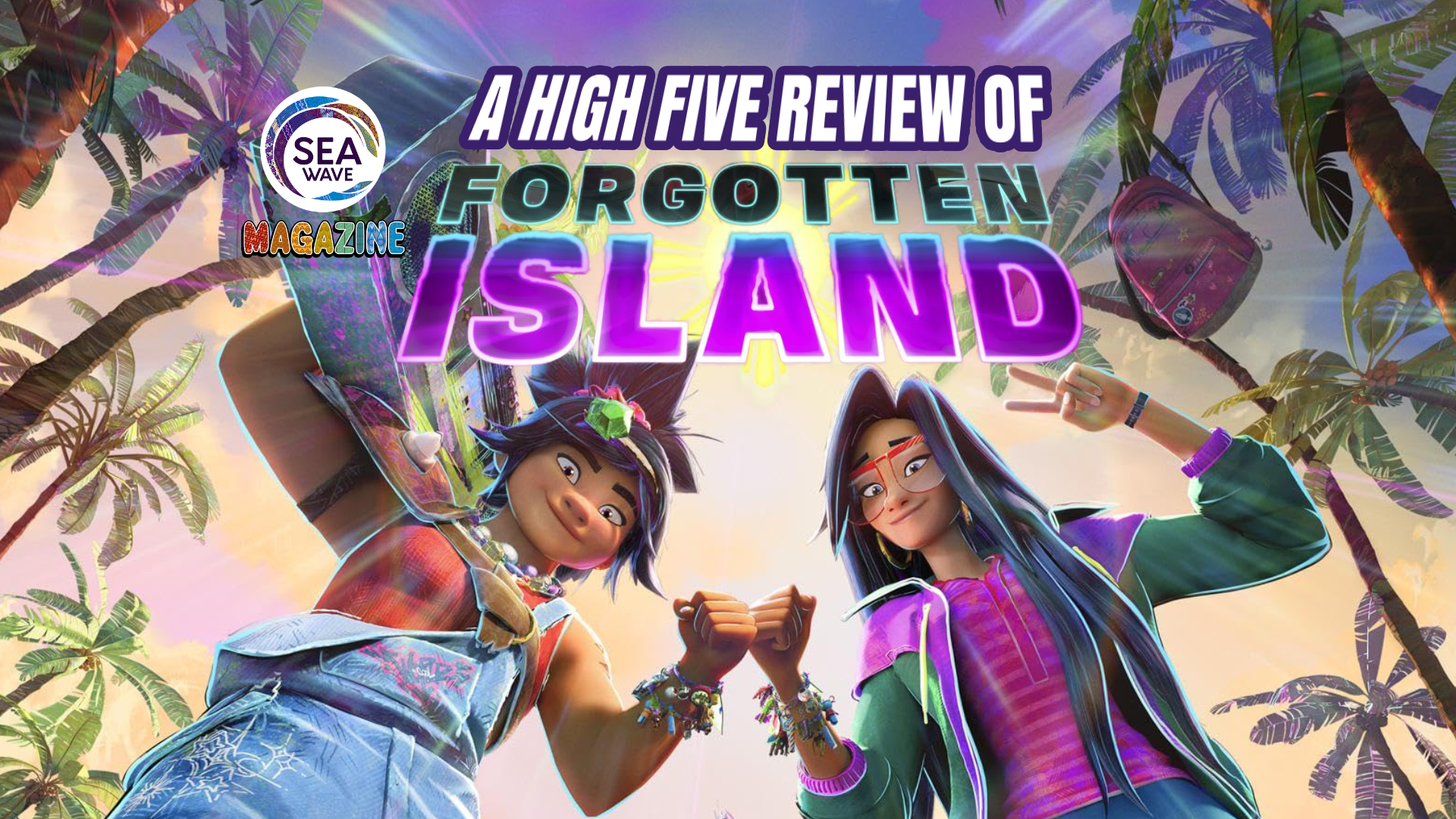
DreamWorks created another modern animated classic, this time by championing Filipino culture. Forgotten Island tells the story of Filipino childhood friends Jo (H.E.R) and Raissa (Liza Soberano) in the 1990s as they go on a magical journey through Nakali—a forgotten island filled with secrets, magic, and wonder.
Let’s unpack the many ways that Forgotten Island showcased what it means to be Filipino in this High Five review. Major spoilers ahead, so read at your own risk. Tayo na!
A Love Letter to Everything Filipino
Forgotten Island did not just shine the spotlight on Filipino mythology, but also on every Filipino around the globe. From the karaoke graduation to the jeepney hangout spot of Jo and Raissa, every detail, big or small, points back to Filipino culture—it’s impossible not to feel represented.
A crucial point as to how both leads end up reaching Nakali is due to Raissa planning to attend the California Institute of Technology (CalTech) for college in the United States. Meanwhile, Jo wants her to stay because she’s the only family she has felt after her grandmother passed. While this may seem outright selfish to anyone from the outside looking in, Filipinos are a deeply social people and treat even their friends like family members, making Jo’s disappointment that much more understandable. This nuanced understanding of Filipino culture is something the film doesn’t shy away from and works in its favor.
The film also incorporates traditional Filipino instruments like the kulintang from Mindano heard in various songs like “Lola” and “Tadhana.” Some of the songs also have chants that are similar to how babaylans or Filipino shamans would sound during a ritual. There’s also the use of the gandingan gongs from Cordillera that’s incorporated into the “Ang Mananaggal Suite” which gives the track such a mystical vibe befitting a creature of power.
Moving on to the cast, the film goes all out to pick Filipino actors and singers, making for genuine representation. Even the soundtrack showcases just what Filipinos are all about, with H.E.R. and Liza singing “B.R.B.”, BINI’s “A Parallel World,” Lea Salonga’s “Ninakaw Sa Akin,” KATSEYE’s Sophia Laforetza’s rendition of “Never Tear Us Apart,” Carl Angelo and Ruby Ibarra’s “Salbahe Ako,” and SB19’s rendition of “Mga Kababayan.”
All in all, from the visuals, vibe, and storytelling, everything points back to the beautiful culture of the Philippines and deserves to be seen on the big screen.
Animation Pushed to Its Limits
We all know and love DreamWorks Animation for giving us Puss in Boots: The Last Wish, which became a hit for its stylized animation that pushed storytelling to its limits. Their work on Forgotten Island pushes the boundaries even more with a mix of art styles, 2D animation, and 3D animation. Even the exaggerated reactions of the characters call into mind old Cartoon Network shows, and some sequences were highly inspired by shounen and shoujo anime, which were all incredibly popular in the Philippines in the ‘90s.
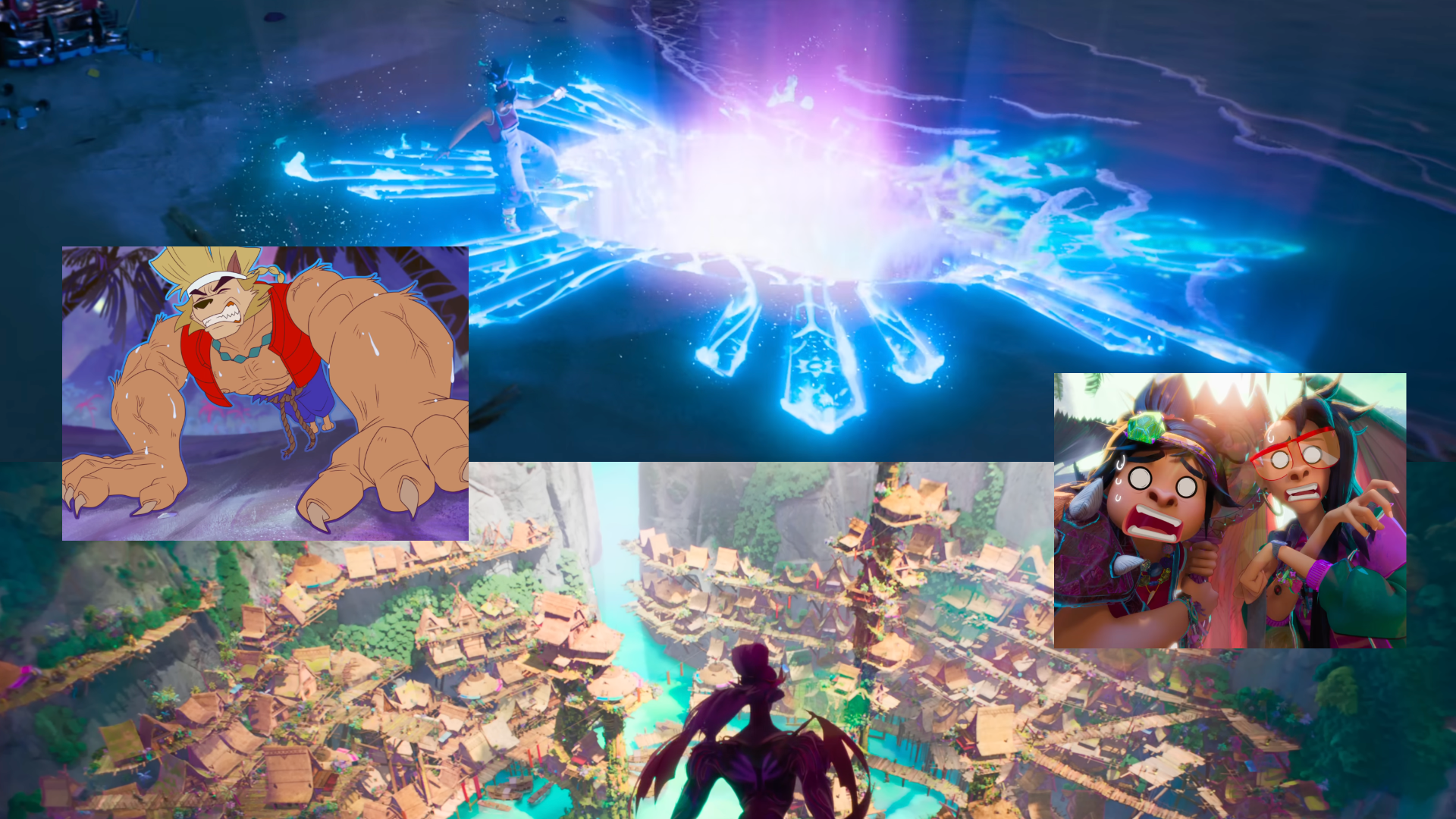
Stills from DreamWorks Animation
Each design choice had a purpose in representing Filipino culture, like the opening of the portal being the eight rays of the sun from the country’s flag, and the market place looking like the iconic bahay kubo huts. Another easter egg can be found in Manang’s design, since she has tattoos that are inspired by historical T’boli tattoo traditions from Lake Sebu in South Cotabato.
Stacked Voice Cast
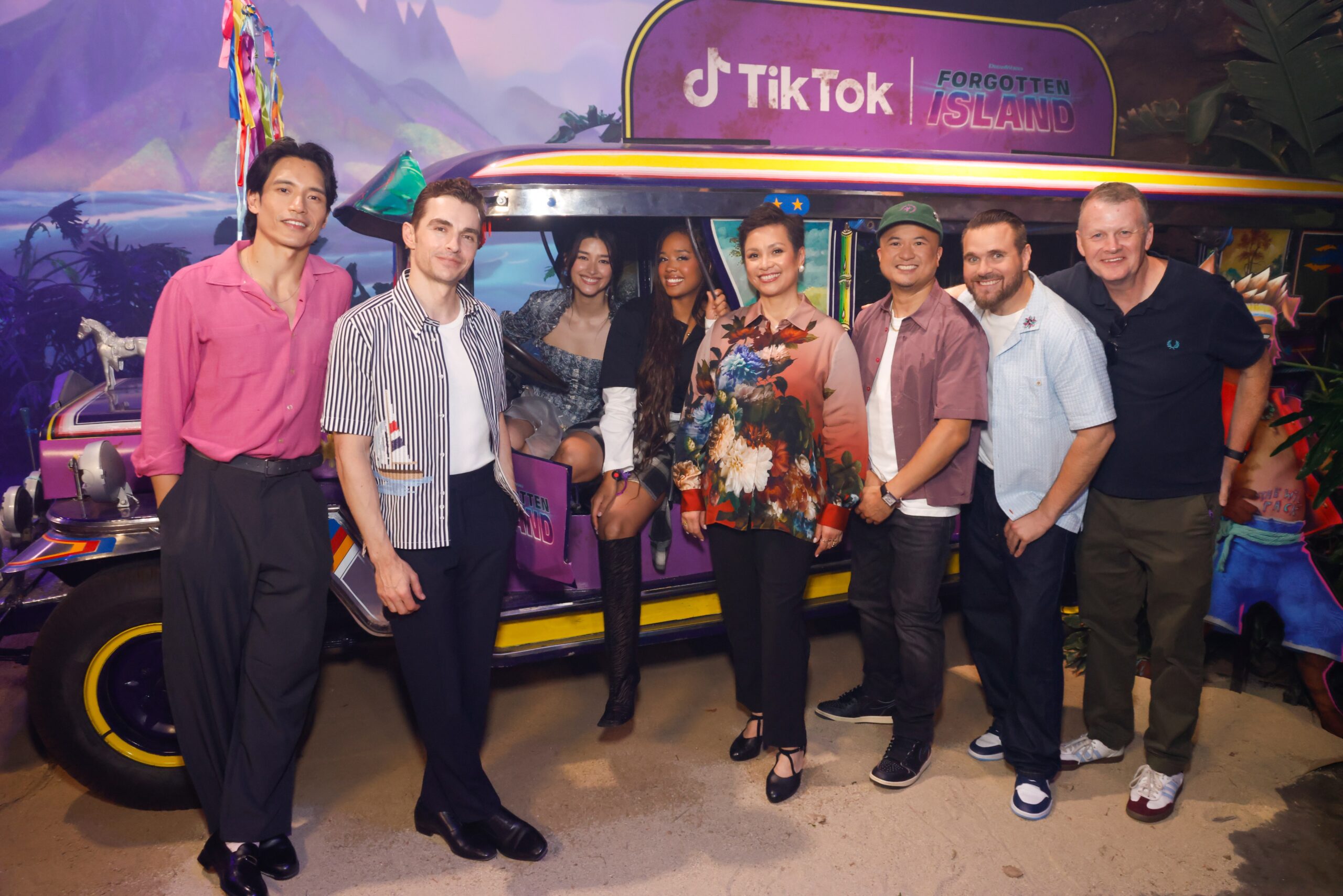
L to R: Manny Jacinto (Bungi), Dave Franco (Raww), Liza Soberano (Raissa), H.E.R. (Jo), Lea Salonga (Manang, The Dreaded Manananggal), Januel Mercado (Director & Writer), Joel Crawford (Director & Writer), and Mark Swift (Producer) | Photo from DreamWorks Animation
The cast for Forgotten Island is as stacked as they come, with award-winning actors like Gabriella Sarmiento Wilson or H.E.R. and Liza Soberano as the leads. There’s also Broadway icon Lea Salonga voicing Manang the manananggal, BAFTA nominee Dolly de Leon as Lola, and Emmy nominee Jenny Slate voicing Batiba the memory demon. Dave Franco also joins the cast as Raww, Manny Jacinto as Bungi, global comedy superstar Jo Koy as Datu the Kapre, and Emmy winner Ronny Chieng as King Truffle Wuffle.
These big stars come together to give life to such memorable characters that makes you think of them even after you’ve watched the film.
Filipino Myths Come Alive
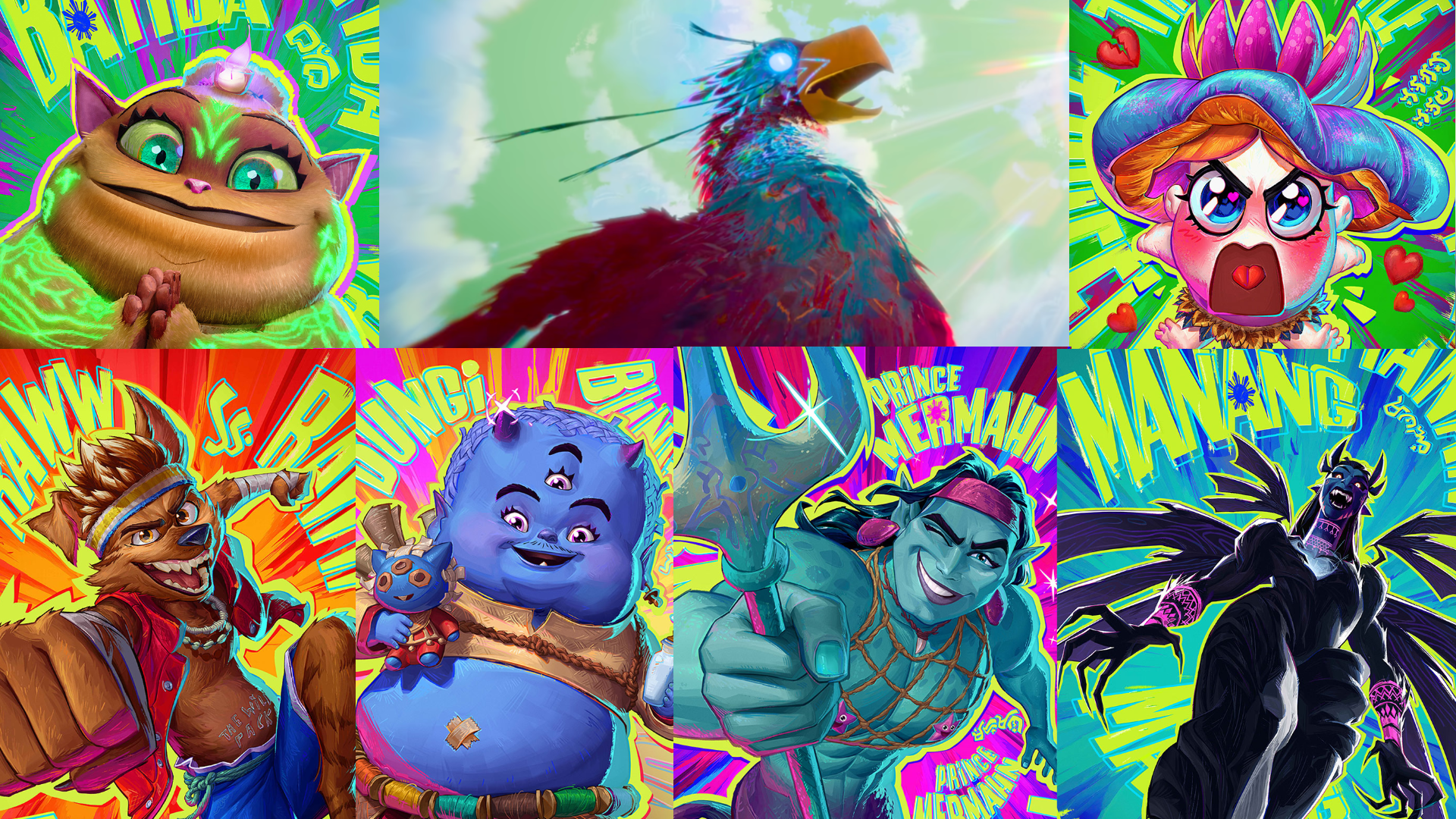
L to R and T to B: Batiba, Sarimanok, King Truffle Wuffle, Raww, Bungi, MerMahn, and Manananggal | Images from DreamWorks Animation
We’ve gotten to the most extensive part of the review—how Forgotten Island handled adapting Filipino mythology. The bulk of the film is set in Nakali—a mystical island that houses all kinds of creatures that make up every Filipino’s imagination, though they are seen in a much more kid-friendly light.
Bungi, for example, is a much more terrifying creature in myths compared to his appearance as a cute blue baby in the movie. He’s what Filipinos would call a tiyanak—a vampiric spirit disguised as an innocent baby to lure in unsuspecting victims. Raww is another example—a friendly and chill guy in the film, but in myths, he’s known as a weredog—a type of aswang that shape-shifts between humanoid and dog forms and preys on unassuming villagers.
There’s also King Truffle Wuffle—a mischievous dwende who lives under trees or mounds, but in myths they can put a curse of bad luck or incurable illnesses on anyone who steps on their homes; Batiba—a friendly memory-invading tree spirit, but in Ilocano folklore is mostly associated with nightmares and suffocating people in their sleep; Datu—a kapre and olden protector of the forest, but in actuality is a dark tree-dwelling creature that turns vengeful when their tree is cut down; and Mermahn, a hunky kataw or high-ranking water guardian, but in Visayan mythology lures mortals to drag them to the bottom of the sea.
The sarimanok—a legendary bird of the Maranao people most associated with good fortune—also makes an appearance in the film, but more as a mystical creature of the wild than a family-friendly version.
Last but not the least, the main antagonist of Nakali, the dreaded manananggal or Manang. The film portrays them as a creature that is able to separate themselves from their lower half and wreak havoc on those they deem as enemies. We absolutely loved how creepy they made her design, the way she reeled back in a contortionist fashion had us gripping our armrests. We’re not going to spoil too much about her, but if the film had to choose a more intimidating antagonist to portray in a menacing light, then they chose correctly.
All in all, the film introduces these creatures to new audiences, showing them the rich and vibrant heritage of Philippine mythology, and we couldn’t ask for more.
Family is More Than Blood
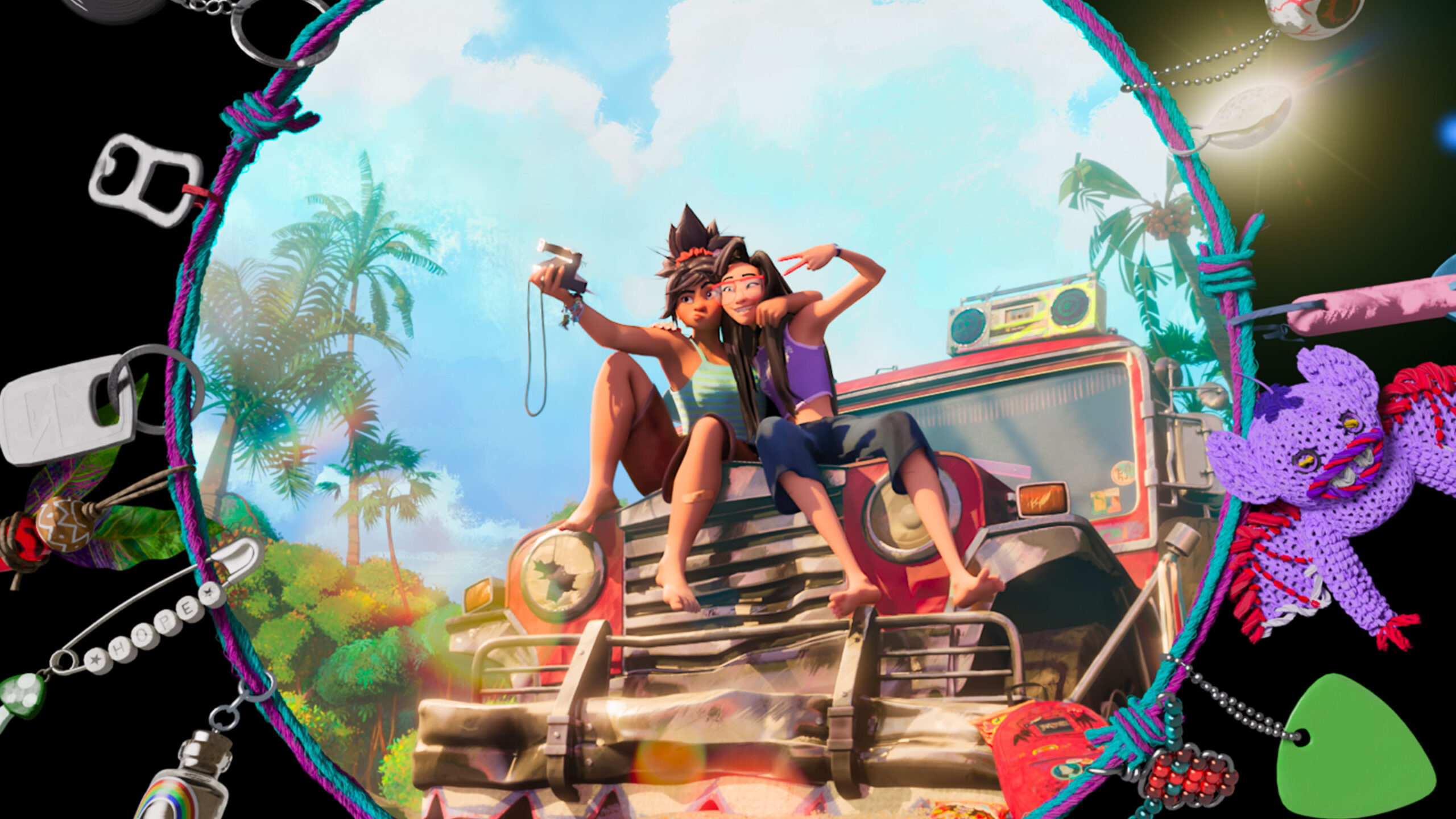
Image from DreamWorks Animation
The main theme that Forgotten Island drives home is that family is not just about blood relations—it’s also about the friends you make along the way. At the end of the day, Forgotten Island is a story about two childhood friends and how they became family. Each of their shared memories and experiences have shaped who they are, and despite being different people, their love and care for each other gives them a bond that is thicker than blood, much like a lot of Filipinos who see their own friends as family.
DreamWorks’ latest animated film is a blast to watch and deserves to be seen in cinemas for its bright colors, heartfelt story, and celebration of Filipino culture. Despite online debates surrounding Pinoy-baiting or whatever qualms the film in its entirety puts Filipinos at the front and center of storytelling and that is something to be proud of.
SEA Wave gives Forgotten Island a 4 out of 5 waves for giving Filipinos an animated feature they deserve.