
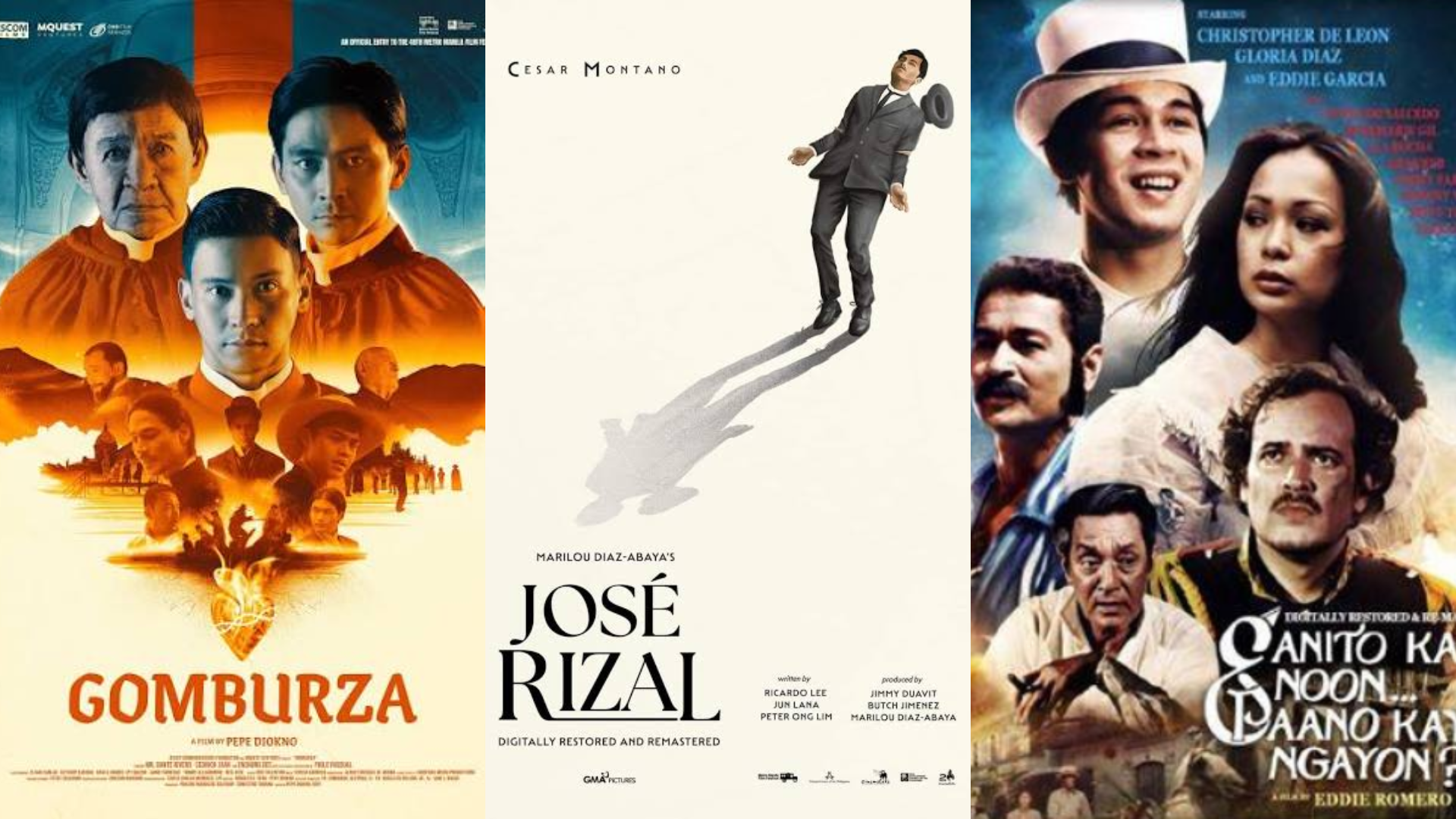
From political and colonial oppression and bygone communities to stories of faith, values, and cultural identity, the Metro Manila Film Festival (MMFF) continues to show how Filipino cinema can conserve the past events while challenging the nation to understand the deep scars it created.
The Philippines’ history is not merely an affair of events that occurred during the past in the form of recorded textbooks and resources. It is absolute evidence shaped by war, colonialism, resistance, political systems, cultural identity, and the struggles our ancestors experienced.
Through the lens of the MMFF, these events are given the proper picture in order to reach wider audiences, and tell history into stories Filipinos can immerse themselves in more than just mere acknowledgement. From Bonifacio, Ang Unang Pangulo to Culion, GomBurZa, and now, the upcoming Amir and Los Salvajes Bravos, Philippine cinema is a reflection of the past in understanding the status quo.
Historical Accounts Beyond Familiar Faces
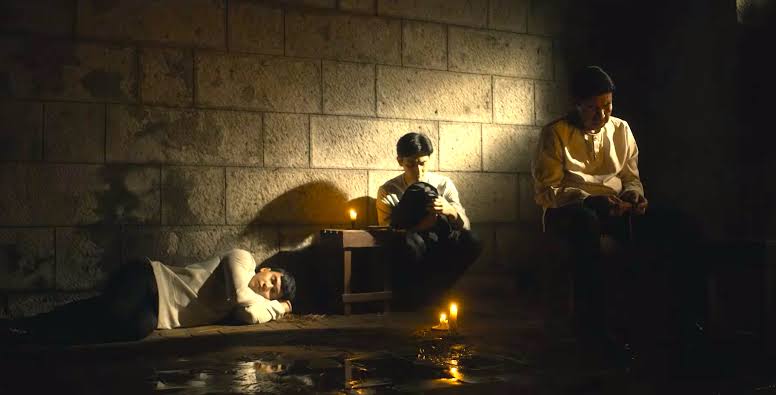
GomBurZa (2023)
Historical films have been long shaping the understanding and immersion of Filipinos in quest of knowing their past. Bonifacio, Ang Unang Pangulo, an MMFF entry back in 2014, tells the story of battling the currents of political and colonial conflicts for the sake of independence. More than the goal of bringing attention to just name itself, this film challenges the audience to see more weight of becoming a leader during the revolution.
Similarly, the 2023 period film GomBurZa, brought people to the execution of the three martyr Fathers Mariano Gomez, Jose Burgos, and Jacinto Zamora in 1872. These brutal slain exposed the racial discrimination, institutional abuses, and religious indifference of the Spanish colonial rule that gave birth to influence, and somehow sparked patriotism among Filipinos. The film heavily encouraged cinephiles to remember the three priests through their values, more than just reciting their names inside the classroom.
More than the messages, these films also sought an answer to the question: do Filipinos truly understand the stories of the oppressed, communities, conflicts, and unsung heroes if they only exert attention to those who are often celebrated?
More Than The Revolution
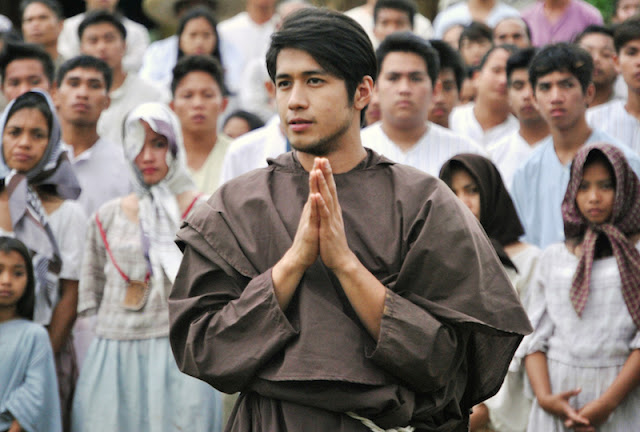
Ang Hapis at Himagsik ni Hermano Puli (2015)
You would know that an industry has truly managed to get out of the familiar scene when they started to record more than the format of revolutionary challenges. Back in 2015, Ang Hapis at Himagsik ni Hermano Puli, although pulled out as an official MMFF entry due to budget constraint, brought the inspiring story of Apolinario de la Cruz, a religious leader who brave the way in challenging the colonial religious activities of the Spanish authority. It also revealed that spiritual behavior, social exclusion, and political control could happen.
Aside from the male-centric stories, filmmakers also sought the side of storytelling through the experiences of women during the 1940s. It approached film by means of showing the lives of women battling with leprosy and institutional isolation. Rather than focusing on heavily-focused political figures, it dissects the other part of politics in terms of stigma, public-health instances, and separation from their own environment. It showed that historical stories should not only be in the lens of colonialism and revolution, but also a past that was shaped by ordinary people in suffering.
These stories widen the details as to how the past should be told. History is not just merely about the people who led the revolution in quest of independence. It is also about the people in the marginalized situation, whose only choice left is no choice, and whose lives were changed by the systemic society.
Remembering Who We Are
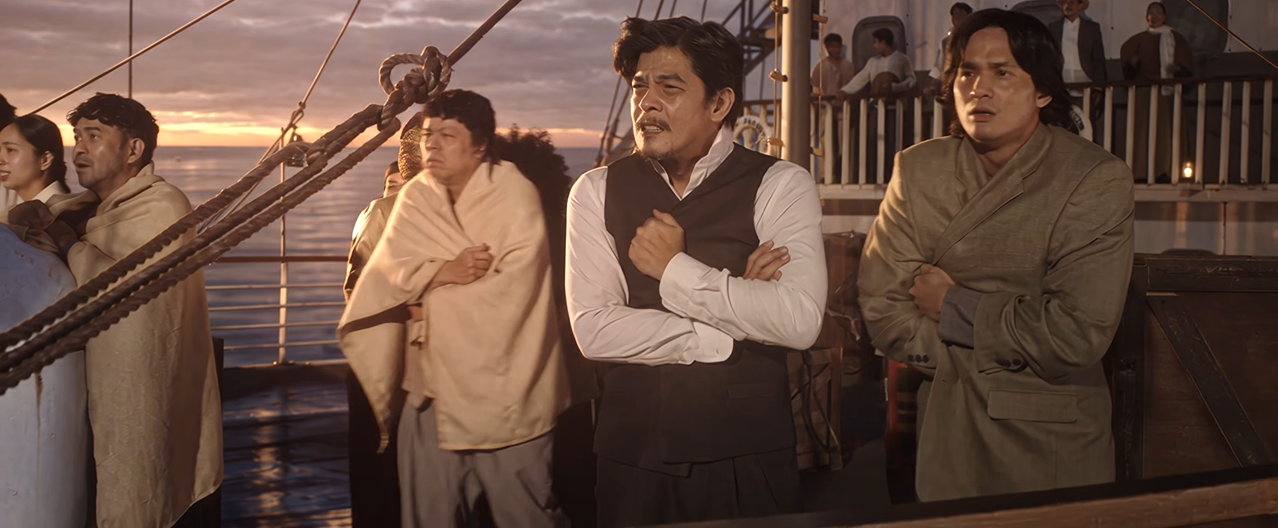
Los Salvajes Bravos (2026)
The upcoming 52nd Metro Manila Film Festival deepens this conversation with the installment of Los Salvajes Bravos, a historical-drama film set during the 1887 exposition in Madrid, Spain, where a group of Igorot people and other Filipinos were displayed like “human zoo” before the European audiences. This film follows a former Igorot soldier, played by Romnick Sarmienta, as he confronts the exploitation of his fellow citizens.
It exposes a new dimension of history: the objectification of Filipinos to deal with foreign curiosity, whose dignity and value is stripped from the lens of stereotyping. It is a form of exhibiting a story where it shows how Indigenous people were dehumanized by these power structures built by colonialism.
In essence, having this kind of genre imposes a great synergy of storytelling and educating. It is also a good example wherein it tackles more stories beyond Manila-centric perspective; a recognition that every single corner in the country must possess.
History Through The Lens of Imagination and Faith

Amir (2026)
Not all historical or period films should come from documented historical events. Zig Dulay’s upcoming creation Amir, set in Marawi, offers a new dimension of storytelling through which an audience can engage with cultural identity and regional diversity. Although it can be misconstrued as a form of historical retelling, it somehow tells the audience to look beyond narratives and appreciate Mindanaoan identity more than their conflict.
Likewise, another entry from this year’s MMFF Seeds of Peace: The Life of Fr. Rhoel D. Gallardo, CMF, documented the life of a Claretian missionary remembered for his faith and sacrifices in Basilan. These two official entries offer two contrasting imagery; one through fantasy and the other through documentary.
Apart from historical significance, its cultural diversity also encourages Filipinos to recognize other forms of traditions, values, beliefs, and faith through which history can intersect.
Cinema As A Gateway Through The Past
Above all, MMFF’s historical films demonstrate a sense of patriotism in a way that is done outside of just celebrating known national heroes. It requires a deep sense of acknowledging the wrongdoings, forms of injustices, and realizing that the Philippines has a complex past.
Through the lens of the enumerated films, it was construed that history is never just about a specific resistance; never just about raging over religious inclusion; never just about citing community isolation; but it is also about sensing a deeper truth that history was never part of a single generation.
MMFF’s platform has become more than just a form of entertainment and Christmas tradition every single year. It becomes the space where Filipinos can revisit their past, recognize the collective voices of truth and lies, and manifest a more informed and inclusive nation.