
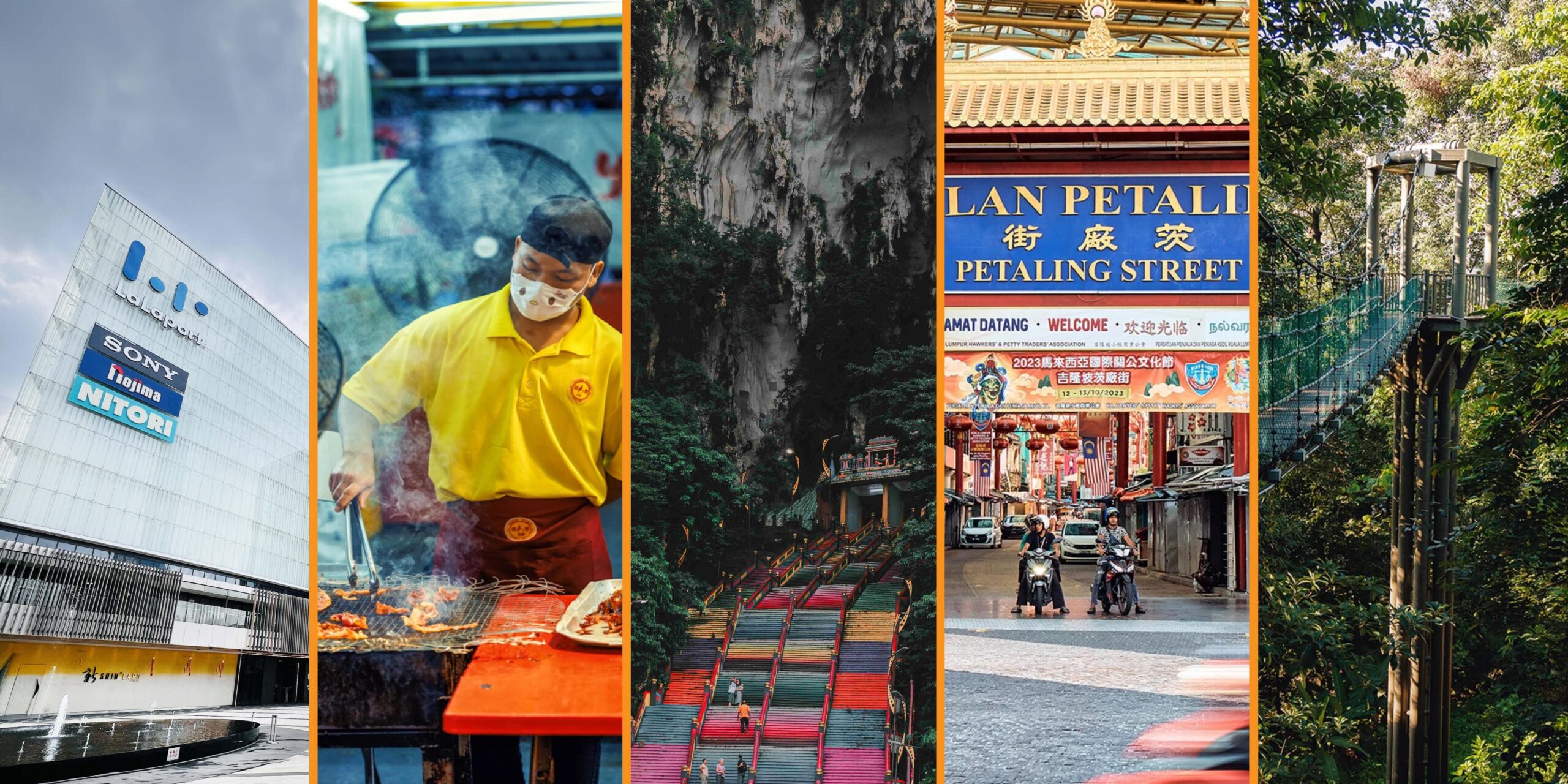
Kuala Lumpur continues to position itself as one of Southeast Asia’s most dynamic capitals as Visit Malaysia 2026 officially rolls out. Known for its multicultural communities, diverse culinary scene, and blend of heritage and modern architecture, the Malaysian capital offers travelers multiple experiences within one destination.
From iconic skyscrapers standing beside historic buildings, to street food hubs located near luxury shopping centers, Kuala Lumpur reflects how cultures, religions, and traditions coexist in everyday spaces.
Here are High Five reasons why Kuala Lumpur deserves a spot on your 2026 itinerary.
Find Markets and Malls in One City

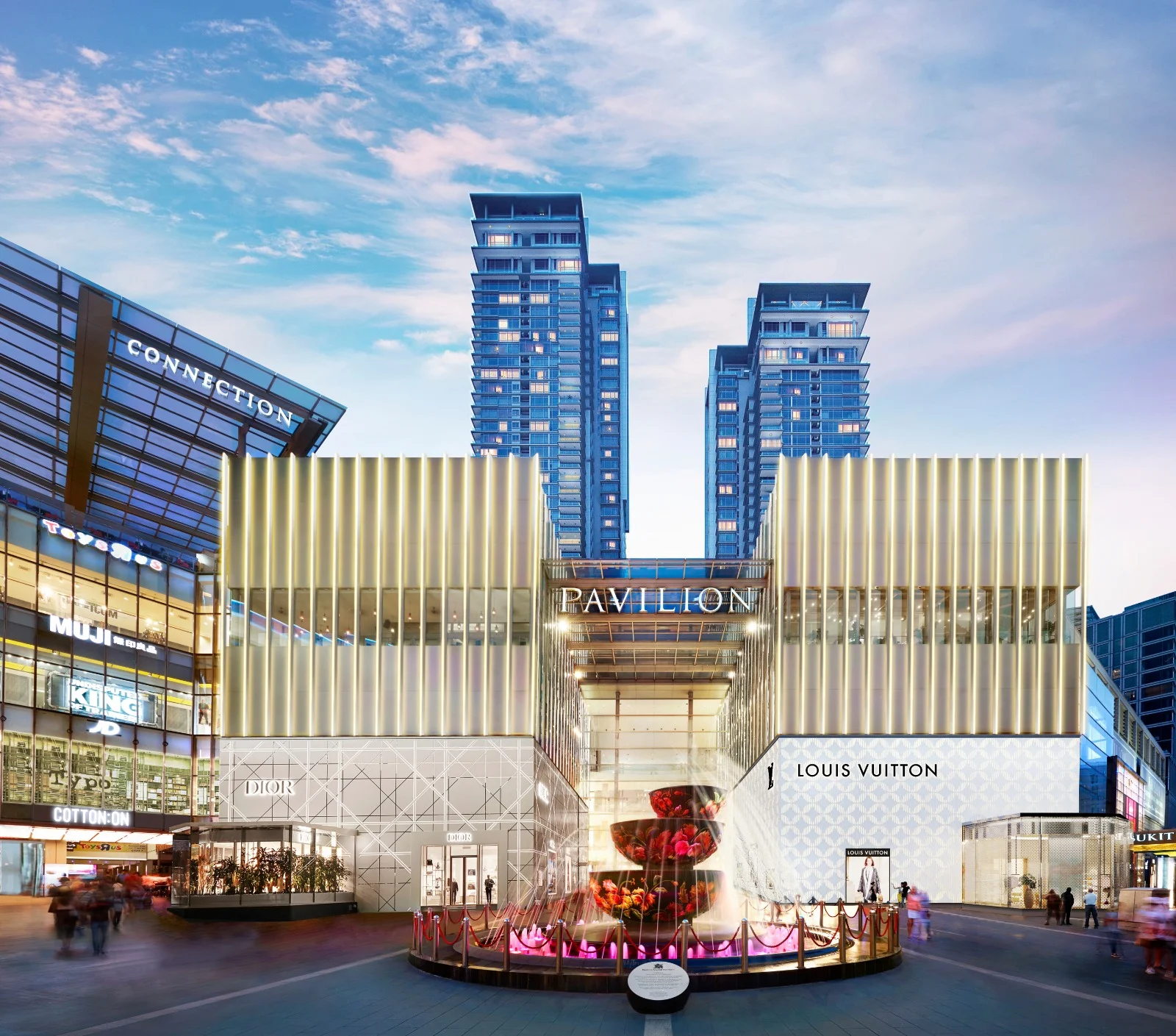
Shopping in Kuala Lumpur offers two distinct yet complementary experiences.
Major malls such as Pavilion, Suria KLCC, and Lalaport BBCC bring together international brands and homegrown labels, attracting both tourists and locals. These shopping centers also serve as lifestyle hubs, housing restaurants, cafés, and entertainment spaces.
Meanwhile, places like Central Market present a more local retail experience. Visitors can browse handcrafted batik, cultural souvenirs, and locally made products influenced by Malay, Chinese, and Indian heritage.
The close distance between these destinations allows travelers to explore both modern retail and heritage marketplaces within the same day.
Taste the City’s Multicultural DNA

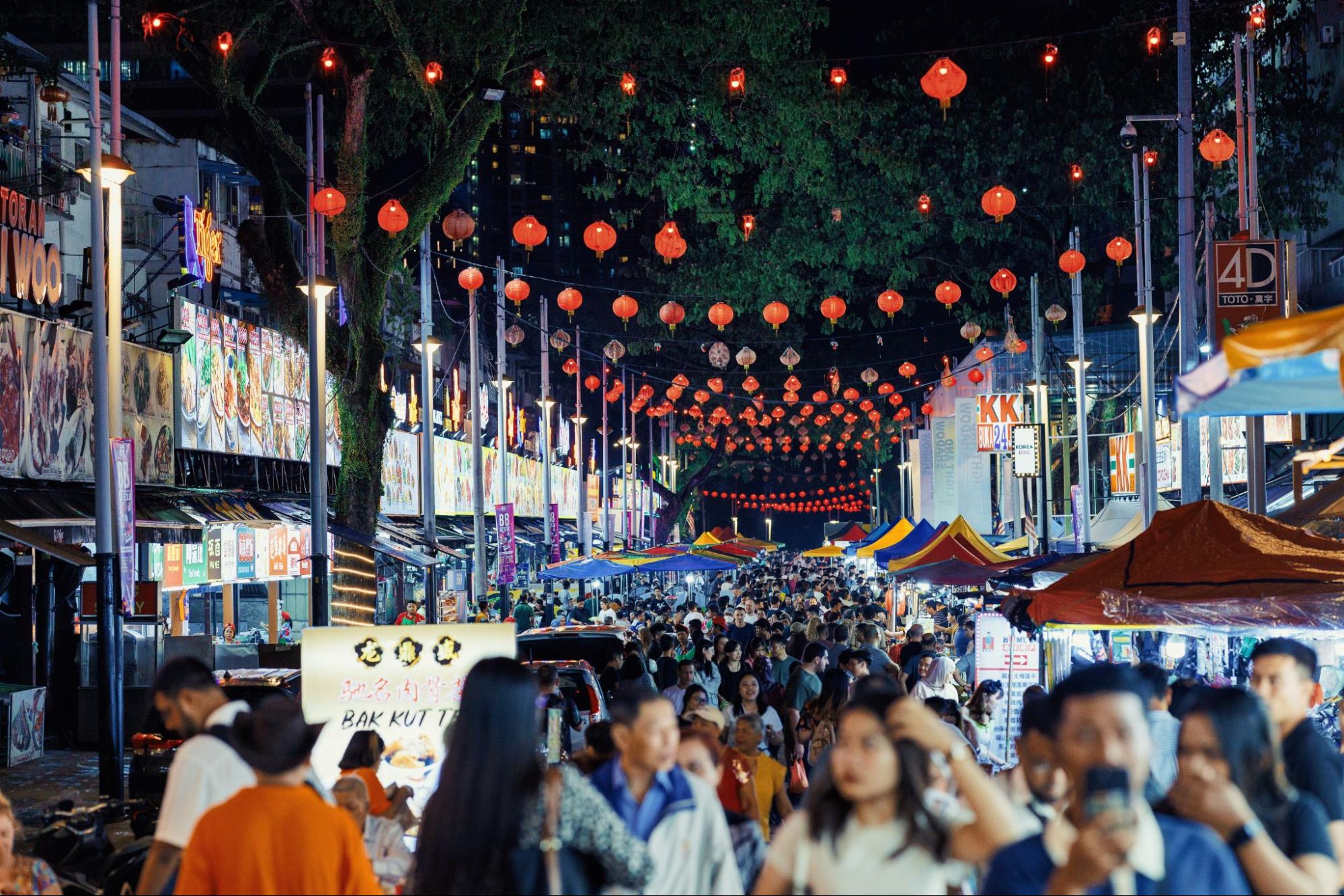
Kuala Lumpur’s distinct cuisine is where its multicultural identity shines brightest. At night markets, street food vendors line the road offering Chinese, Thai, Indian, and Malay dishes side by side. Kopitiams and family-run restaurants continue to serve recipes passed down through generations, preserving flavors that define local communities.
From hawker stalls to contemporary dining spaces, the city’s culinary landscape reflects how different cultures maintain their distinct identities while sharing traditions across communities.
Experience a City Shaped by Religion

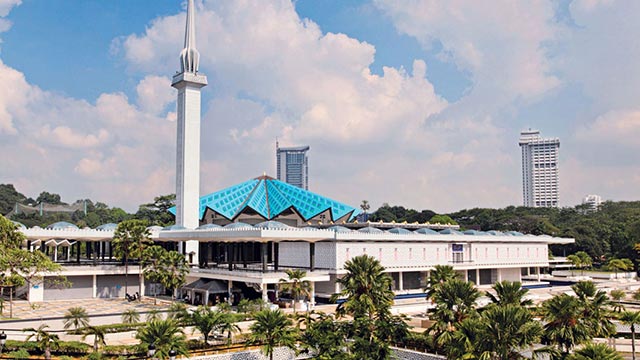
Faith plays a visible and active role in Kuala Lumpur’s urban environment. Batu Caves, located just outside the city center, remains one of Malaysia’s most recognized Hindu landmarks. In the heart of the capital, Masjid Negara stands as a symbol of Islamic heritage with its striking architecture. Temples and churches can also be found across commercial and residential districts, fully integrated into daily life.
These religious sites are not only tourist destinations but active places of worship that represent Malaysia’s diverse spiritual traditions.
Explore the City’s Creative Hubs
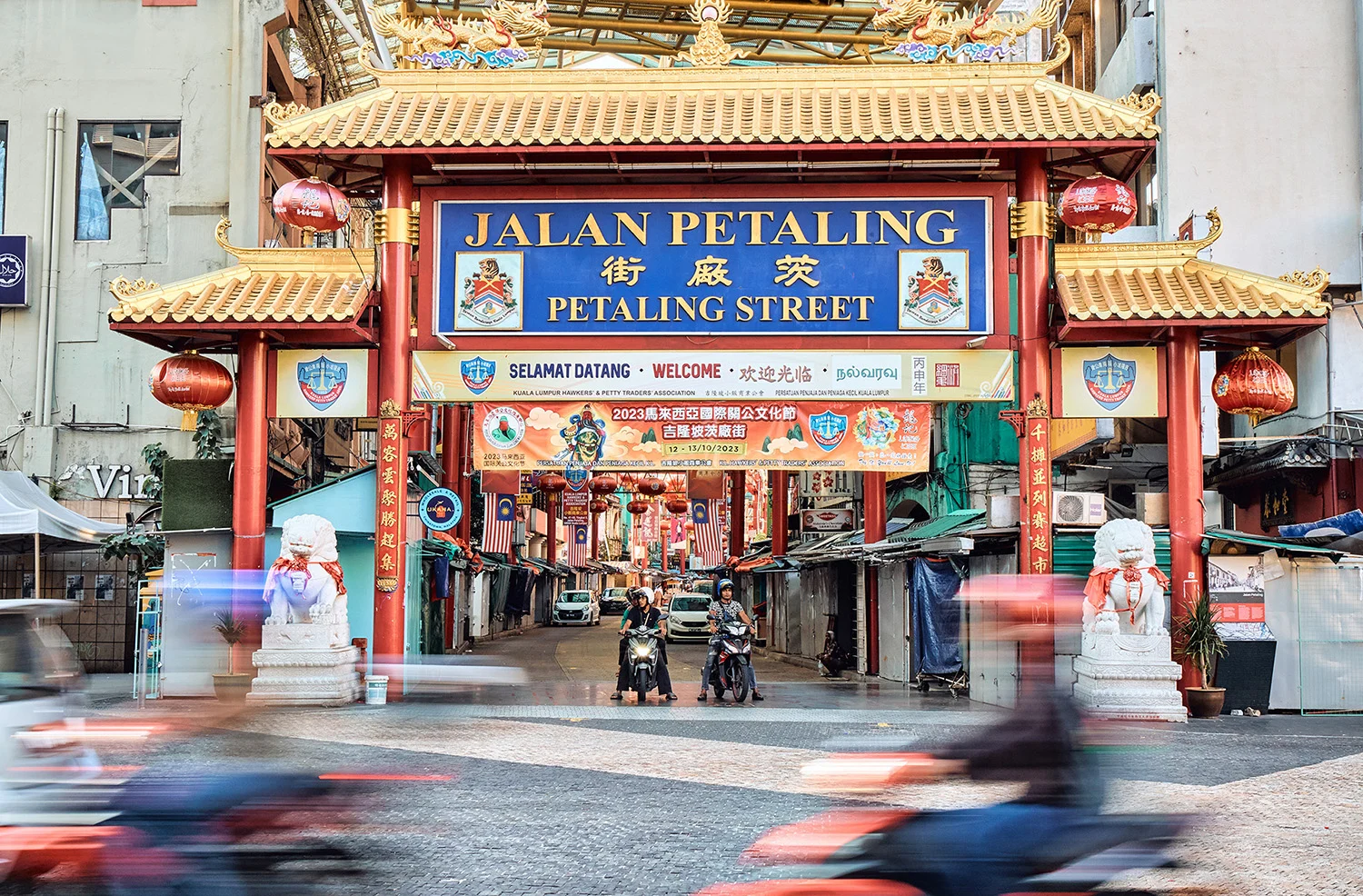
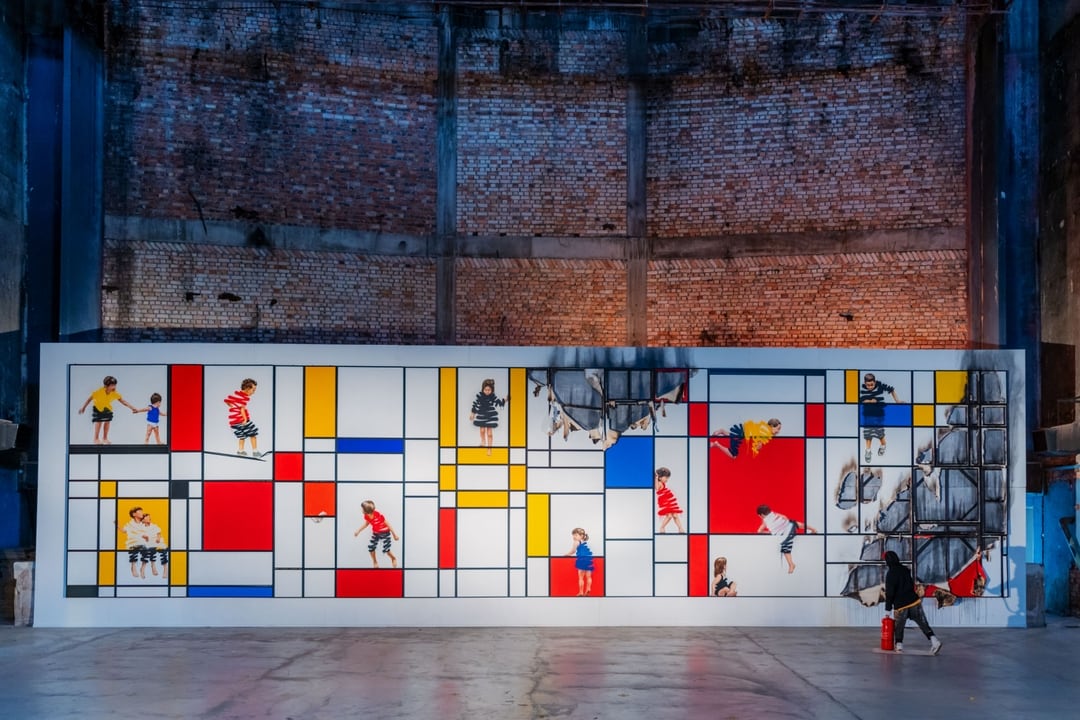
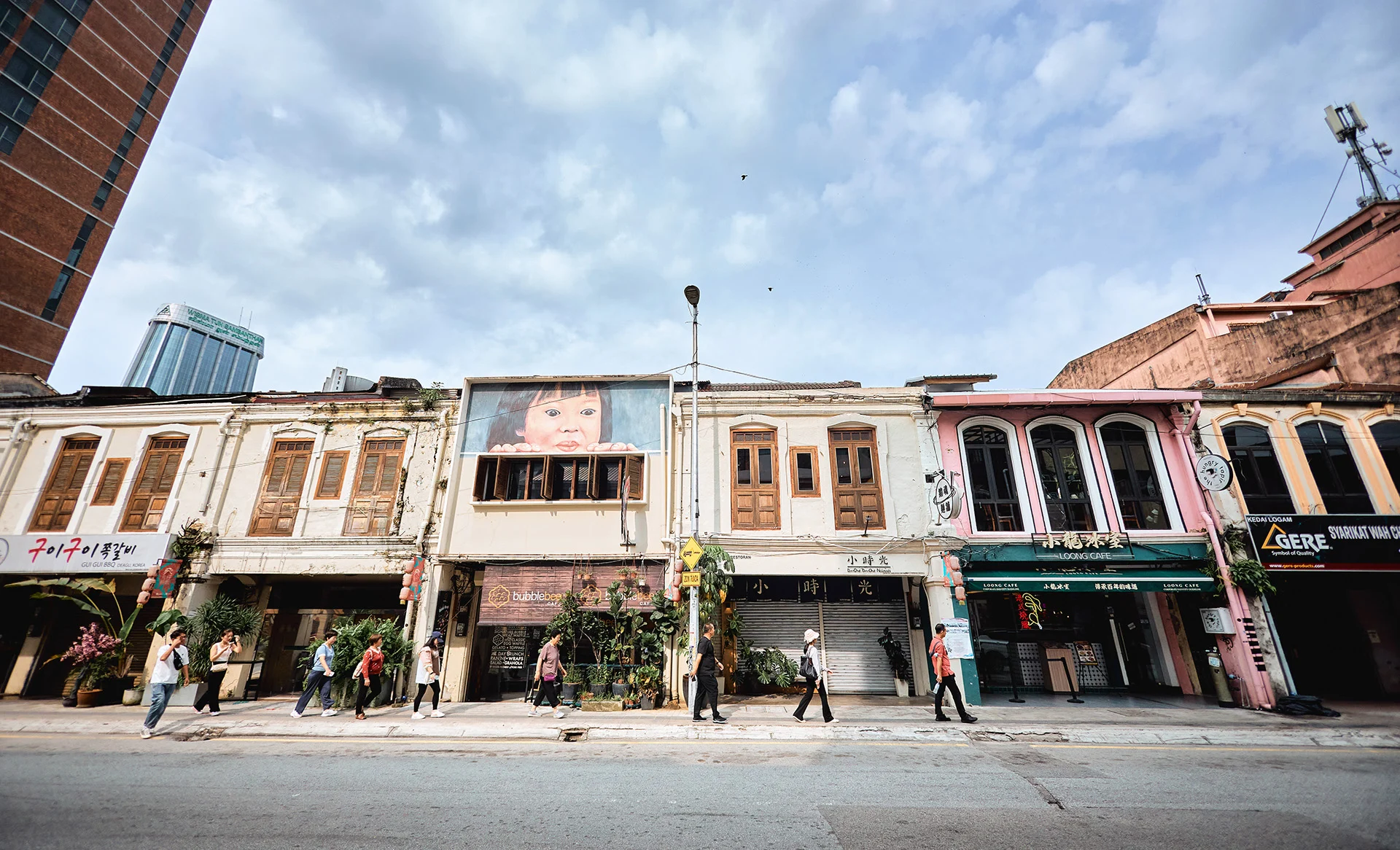
Kuala Lumpur continues to evolve while preserving its past. In areas like Chinatown and nearby heritage districts, traditional shophouses have been transformed into bookstores, cafés, galleries, and cultural spaces. Former commercial buildings now host art exhibits, pop-up events, and independent businesses.
These revitalized spaces demonstrate how Kuala Lumpur balances development with preservation, giving older neighborhoods renewed purpose without losing their historical character.
Find Green Spaces That Let the City Breathe
default
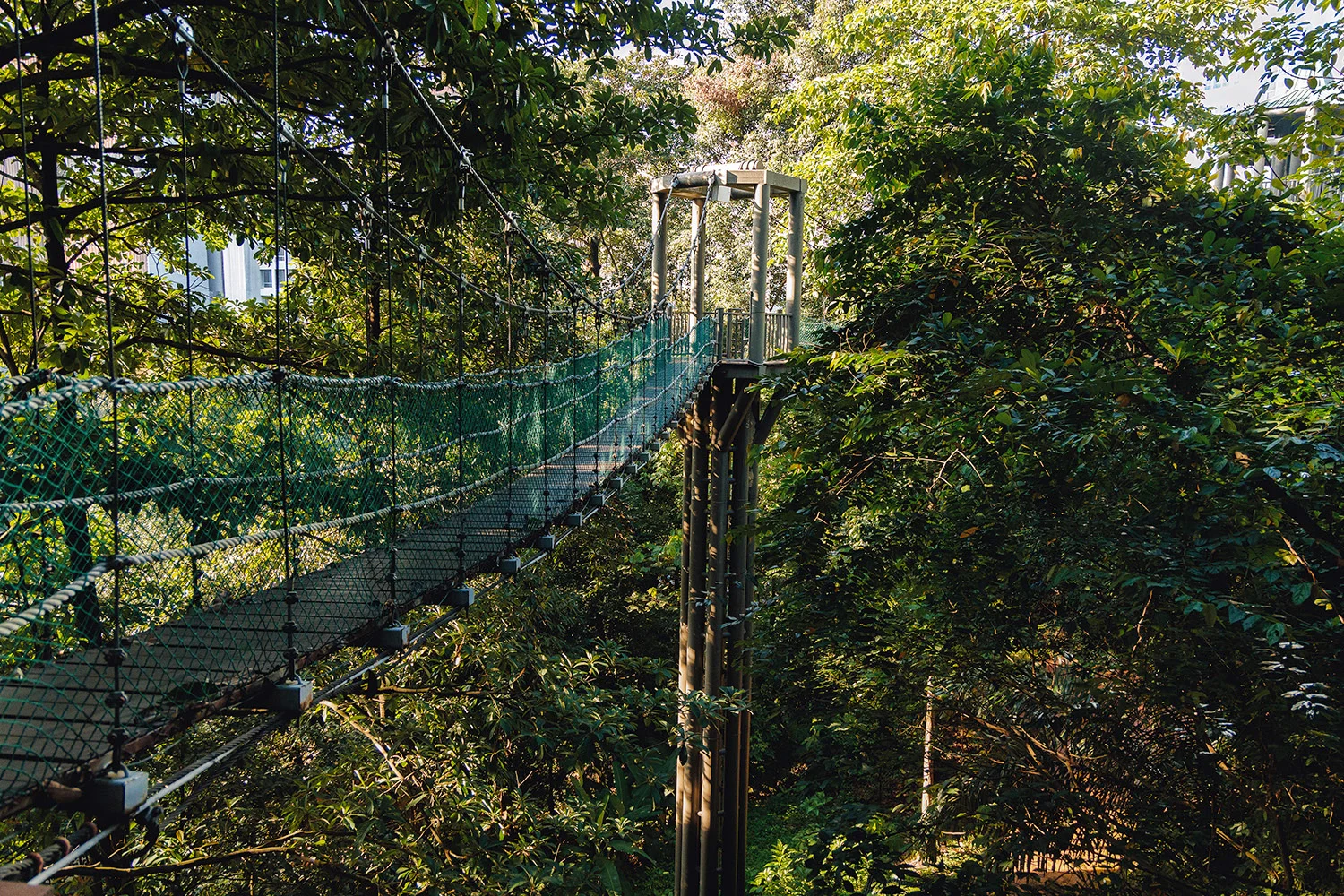
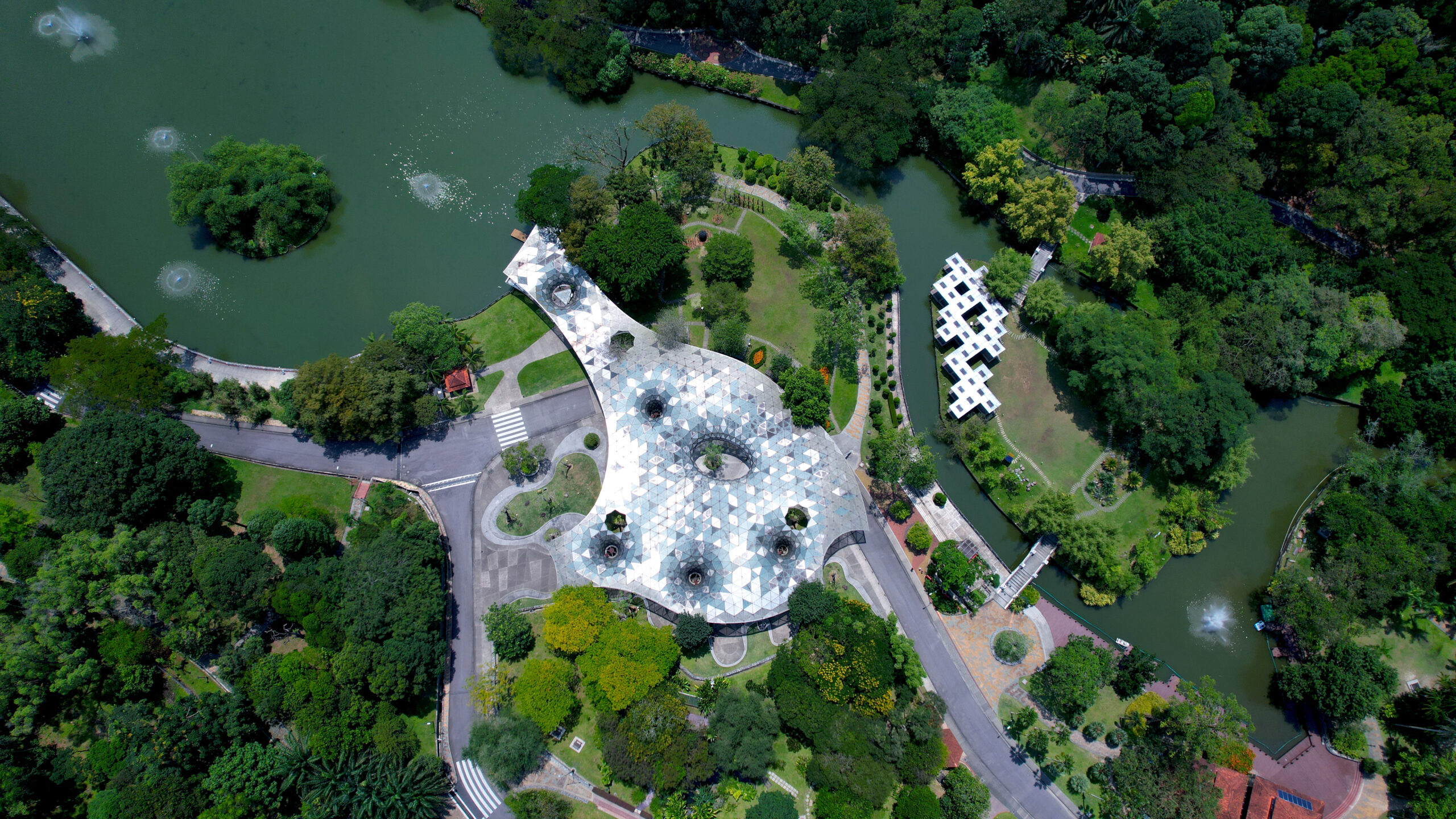
Despite its fast-paced environment, Kuala Lumpur provides accessible green spaces for recreation and relaxation. Perdana Botanical Garden, Kuala Lumpur Forest Eco Park, and the River of Life offer areas where residents and visitors can walk, jog, or simply spend time outdoors. These locations provide contrast to the surrounding high-rise buildings and busy streets.
They serve as shared spaces that contribute to the city’s overall balance between urban growth and environmental preservation.
Kuala Lumpur is not defined by a single identity. Instead, it is shaped by multiple influences, cultural, religious, culinary, and creative, that coexist across the capital.
As Visit Malaysia 2026 continues to promote the country’s diversity and hospitality, Kuala Lumpur stands as a practical starting point for travelers who want to experience Malaysia’s layered identity in one city.
For many visitors, what may begin as a short city visit often turns into a more comprehensive experience of Malaysia’s culture, cuisine, and communities.