
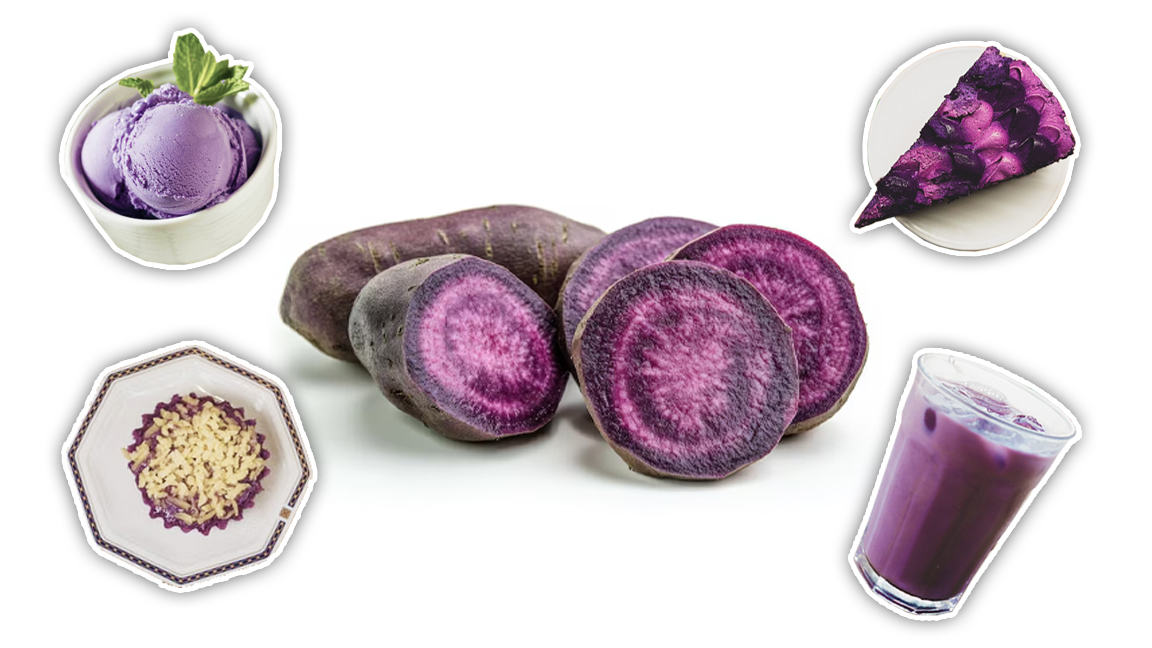
Not too long ago, ube was something many Filipinos simply grew up with. It was the star of family desserts, holiday gatherings, and neighborhood bakeries. Today, that same purple yam is showing up in cafés and dessert shops thousands of miles away from the Philippines.
From purple lattes in London to ube-flavored pastries in Seoul, the ingredient has become one of the hottest food trends in recent years. Some industry observers have even started calling it “the next matcha,” a comparison that reflects just how quickly ube has captured global attention.
For Filipinos, the trend feels like a proud moment. After all, it’s not every day that a local ingredient becomes a worldwide obsession. Every ube latte or ube cheesecake abroad introduces more people to a flavor that has long been part of Filipino food culture.
But success comes with its own challenges.
Unlike ingredients that can be produced quickly and at scale, ube takes time to grow. Farmers often wait months before a crop is ready for harvest, making it difficult to keep up with growing international demand. As a result, some companies have started relying on artificial flavorings or alternative purple root crops to recreate the look and taste associated with ube.
That raises an important question: if products labeled as “ube” no longer use authentic Philippine ube, what exactly are people experiencing?
The concern isn’t just about food. It’s about preserving the story behind it. Ube carries generations of Filipino tradition, agricultural knowledge, and cultural identity. Without that connection, the ingredient risks becoming another global trend divorced from its origins.
Thankfully, efforts to support local farmers and strengthen ube production continue to grow. These initiatives aim to ensure that as ube reaches more international markets, the communities that cultivated it for generations are not left behind.
The world may be discovering ube now, but Filipinos have known its value for decades. As the purple yam continues its rise on the global stage, perhaps the real challenge isn’t making ube famous. It’s making sure the world remembers where it came from.