
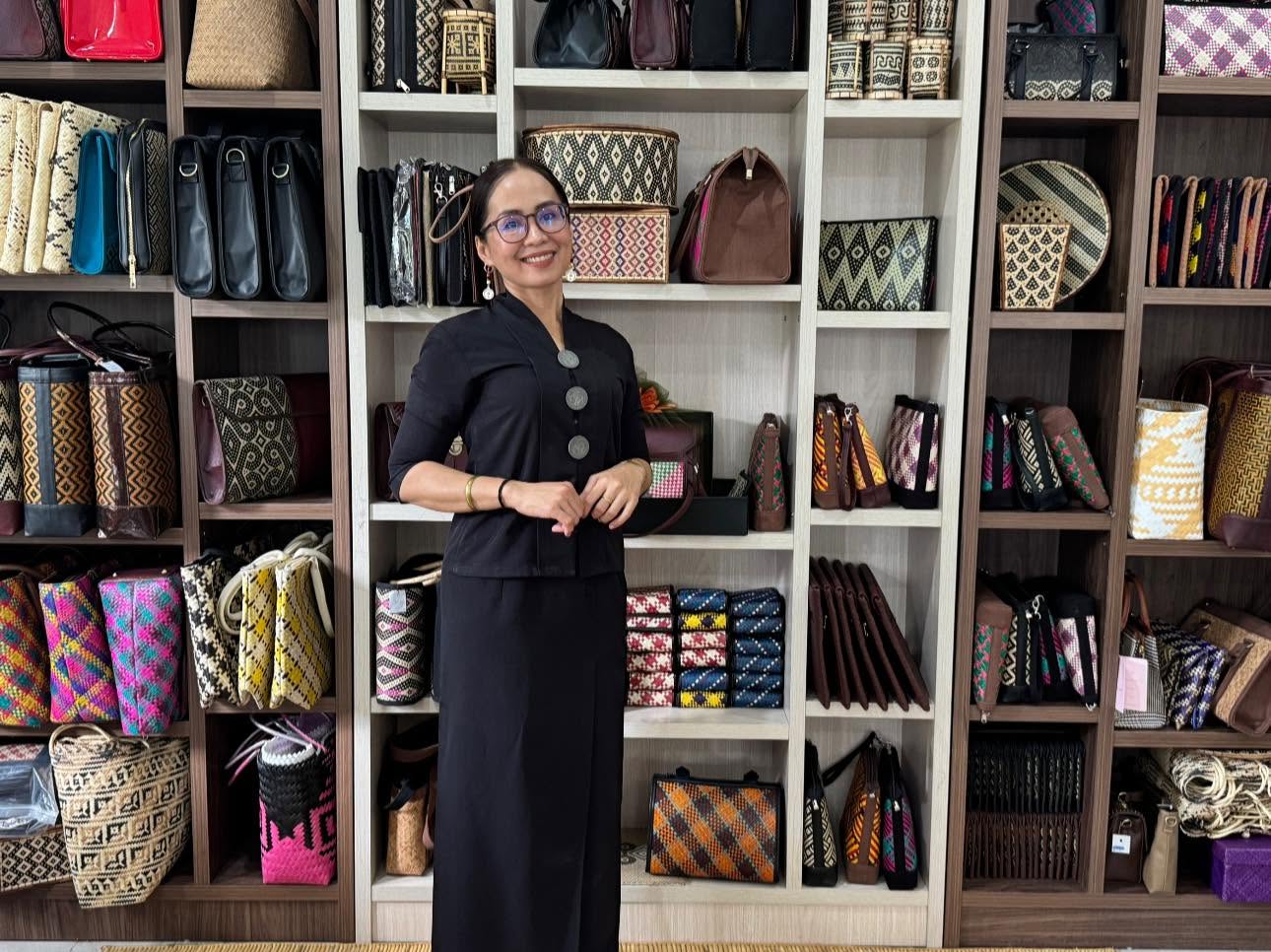
With rampant automation and industrialization amidst a globalized world, and now with further rise of AI, a bamboo weaver in Malaysia has found economic success through the traditional art of weaving. Emily Jeneble, a Sabah-based weaver works with members of her local rural community in Kampung Batu Lunguyan and capacitates them with the knowledge and skills in craft of bamboo weaving as an income stream.
Growing up, Emily would watch her grandmother bamboo weaving, giving her familiarity with the craft at a young age. Eventually, instead of moving to the city and pursuing a more conventional career path, she decided to stay in her hometown to help her mother in weaving. After demand increased for such woven products, she started to teach other people the craft in an effort to help them earn.
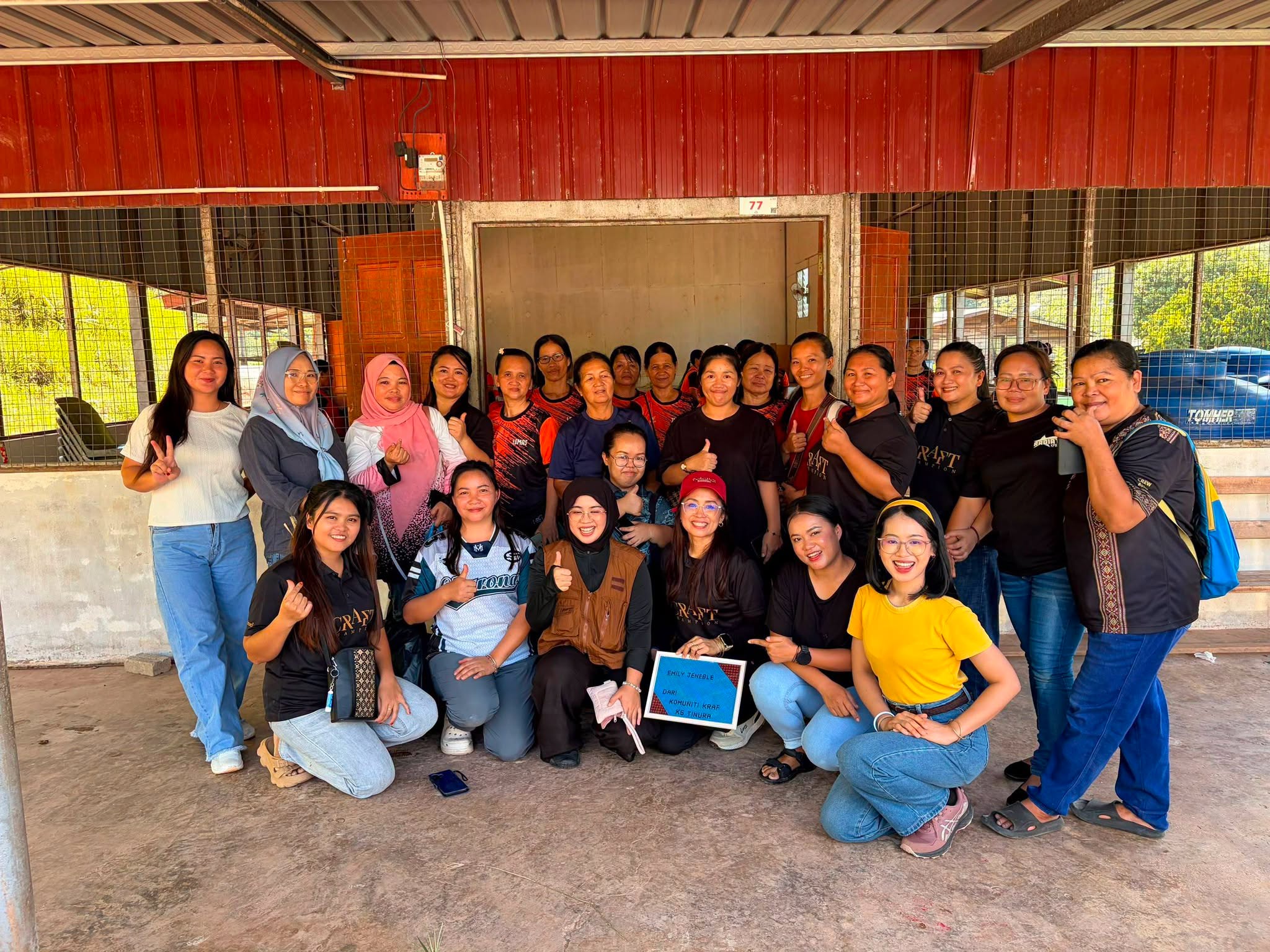
Photo from Emily Jeneble's Facebook
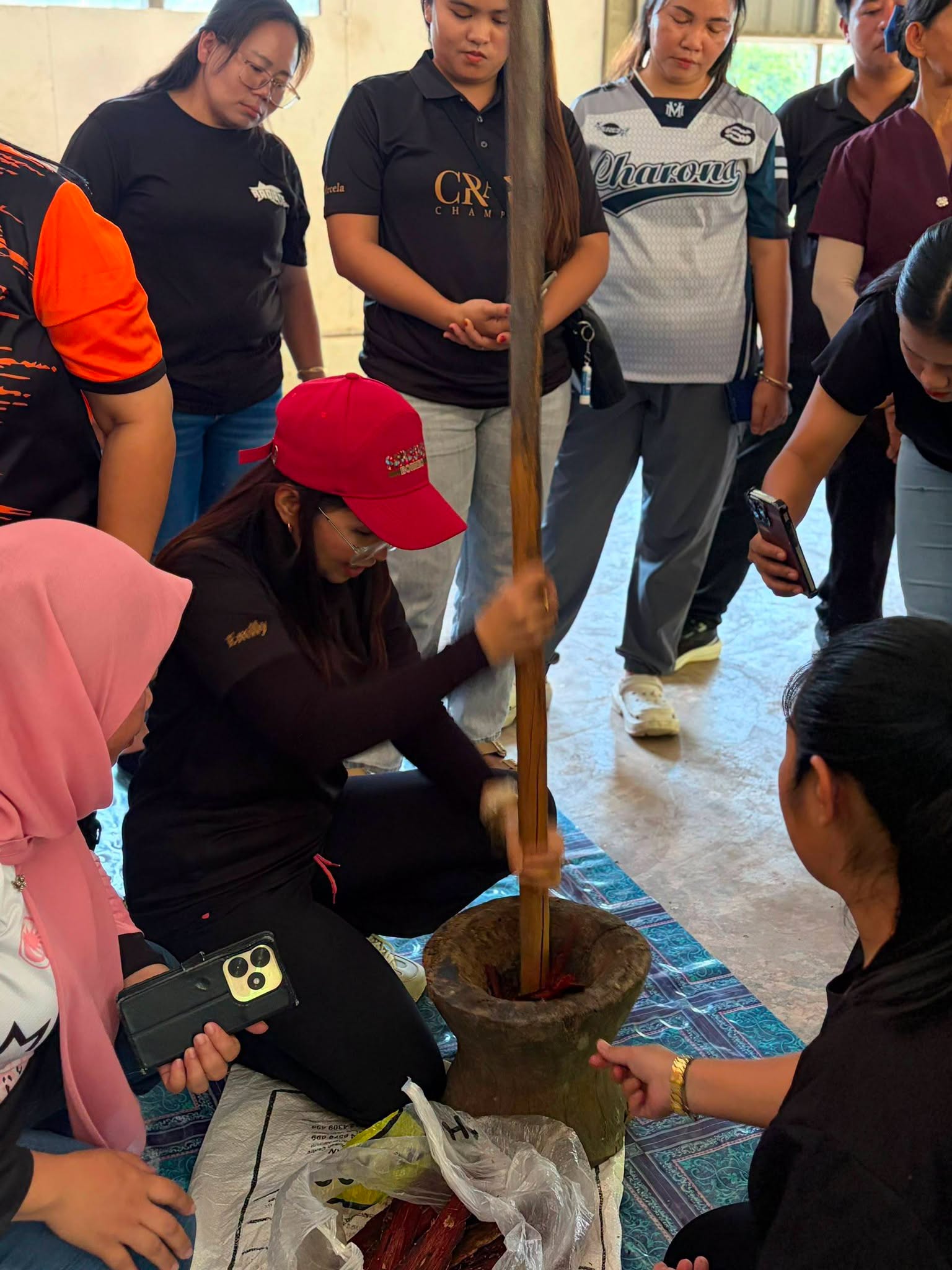
Photo from Emily Jeneble's Facebook
Now she manages Batu Lunguyan Sook Craft Cooperative, a cooperative of 55 members made up of different from other rural villages in Sabah wherein she teaches them the art of bamboo weaving, also known as Salingkawang bamboo weaving, in order to provide them a source of income.
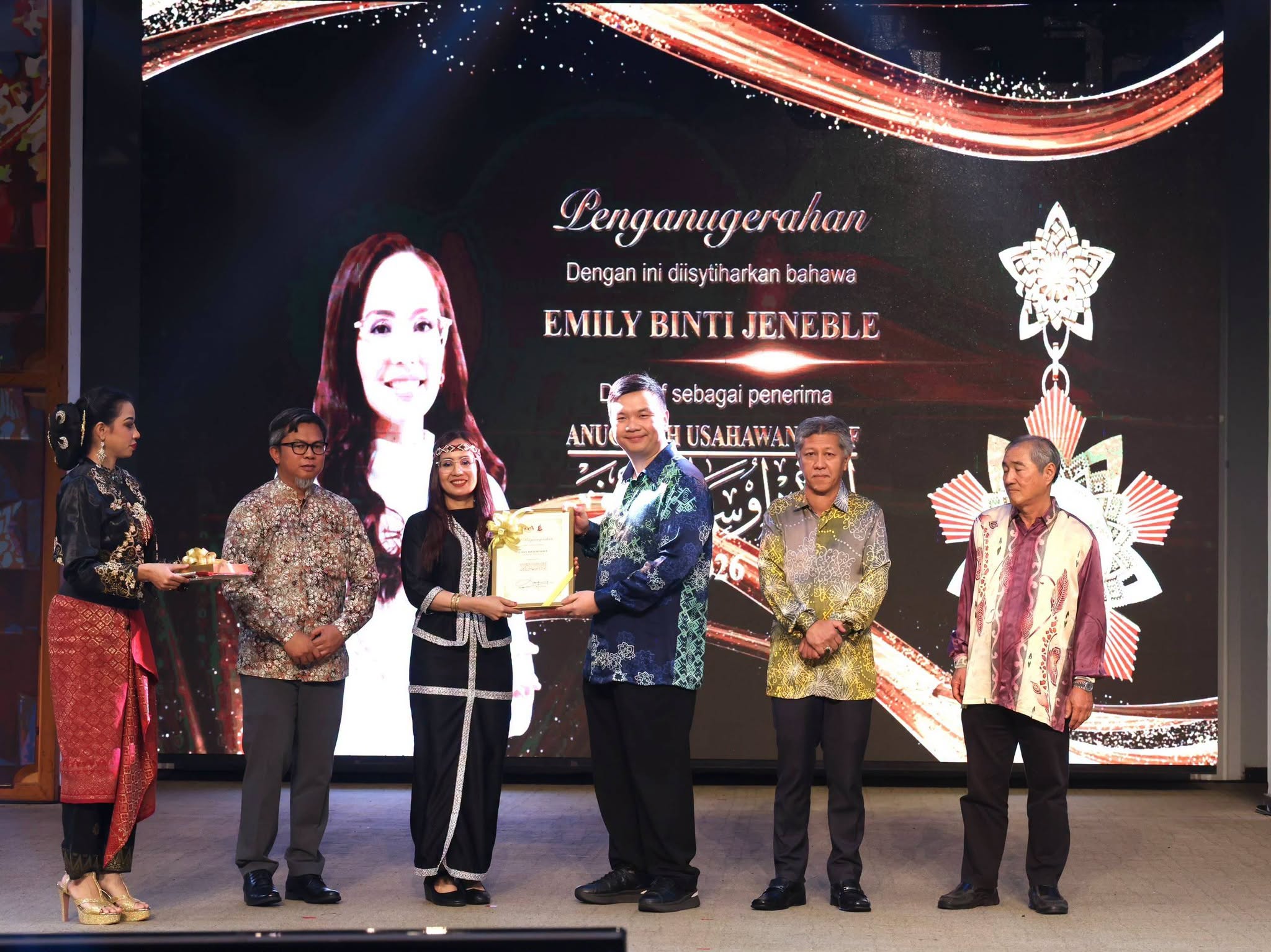
Together they produce woven baskets, bags, keychains, gift boxes, and baskets – with the materials sourced by the weavers themselves that can be found in the wild. The cooperative’s products have garnered a large demand in Malaysia, and also have garnered sales in the international market. Emily is also awarded as an artisan, as she was recognized by the Malaysian government in 2018 and received the Young Handicraft Entrepreneur Award for the commemoration of National Handicraft Day.
Emily Jeneble and her cooperative is proof that there is a market for traditional handicraft goods, and a testament to its capability as a means of financial alleviation. Now, she calls for more government support for artisans such as her in order for the craft to reach more communities and provide logistics and the infrastructure needed to scale up the industry into more markets.